
Carlos Sainz Highlights 2026 Tire Differences in F1 Performance
Written with artificial intelligence.
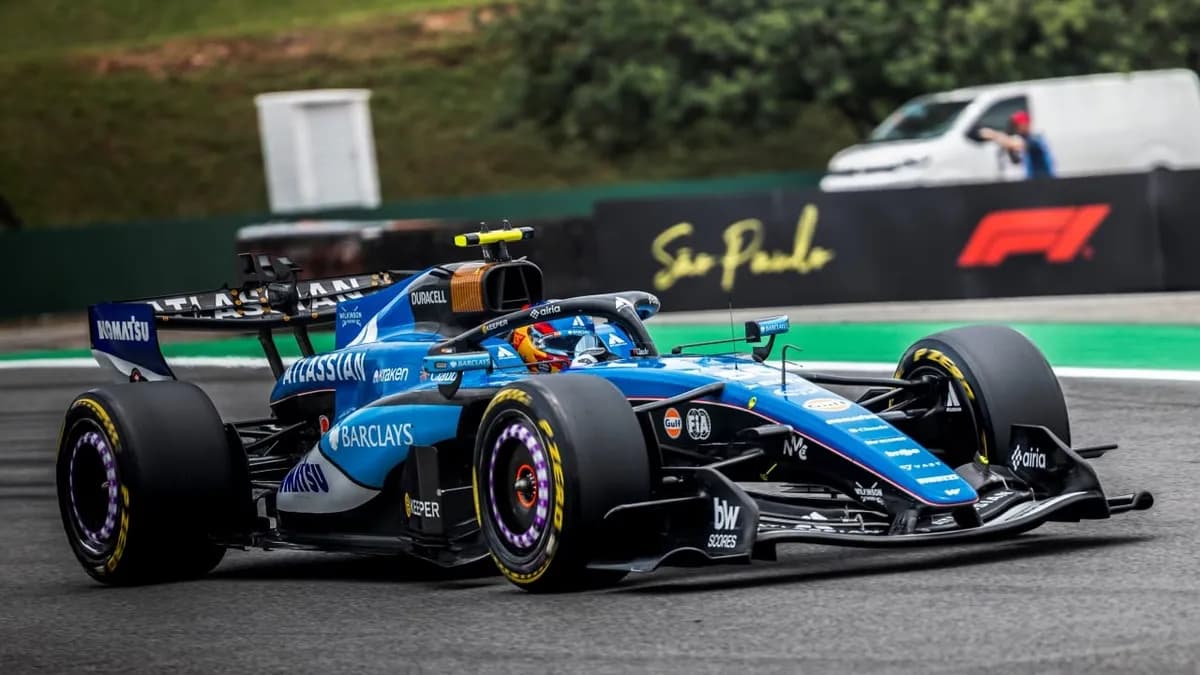
Carlos Sainz discusses the impact of the new Pirelli tires in Formula 1 for the 2026 season, emphasizing how their distinct characteristics affect driving styles. He notes that variations in tire performance can clarify the differences in results between teammates.
Sainz's Insights on Tire Performance
Carlos Sainz believes the differences in performance between teammates in Formula 1 can be significantly attributed to the new tire characteristics introduced in 2026. He explains that the front and rear tires behave differently, which can favor specific driving styles and impact overall performance.
The 2026 season has seen a shift in tire design by Pirelli, which now provides different sensations compared to previous years. According to Sainz, the new front tires allow drivers to push harder during races, as they are more durable, while the rear tires experience greater degradation. He noted, "Everyone feels they can push harder during races. The front tire is much more resilient, and only the rear degrades somewhat, although not excessively."
Changes in Tire Specifications
The new generation of tires is narrower, with reductions of 25 millimeters in width for the front and 30 millimeters for the rear tires, alongside a decrease in their outer diameter. These changes were designed to align with the technical regulations for 2026 and take into account the aerodynamic characteristics of the new cars, which are more agile than their predecessors.
Sainz pointed out that the tire behavior is influenced by several factors, including compound selection, temperature, and circuit conditions. For instance, during the Sao Paulo Grand Prix, high temperatures led to increased thermal degradation, while cooler conditions posed challenges for some teams in warming up the front tires during qualifying simulations.
Driving Style Adaptation
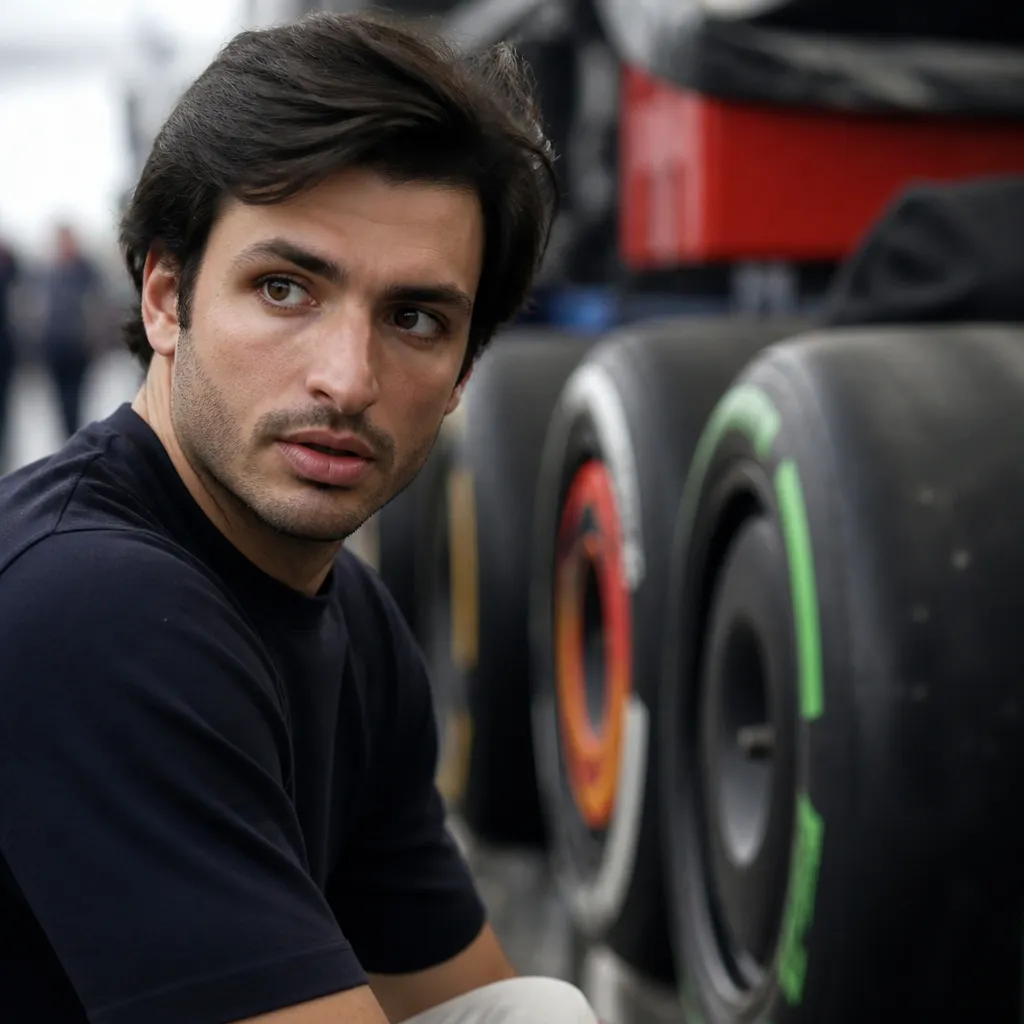
Sainz elaborated on how the new tire characteristics can influence a driver's preferred setup and driving style. The increased resilience of the front tire allows drivers to reach the limits of grip and slide it to stabilize the car, which can be beneficial for those who prefer a setup that leans towards understeer. He noted, "Some drivers can configure the car with more understeer and slide the front tire, achieving a very good race pace if they like that behavior."
Ultimately, Sainz's observations suggest that tire performance is just one of the factors affecting teammate differences, alongside the aerodynamic features of the vehicles. Understanding these dynamics will be crucial for analyzing driver performance in the 2026 season.