Electric Trucks Reach 720 km Range: A Challenge to Diesel
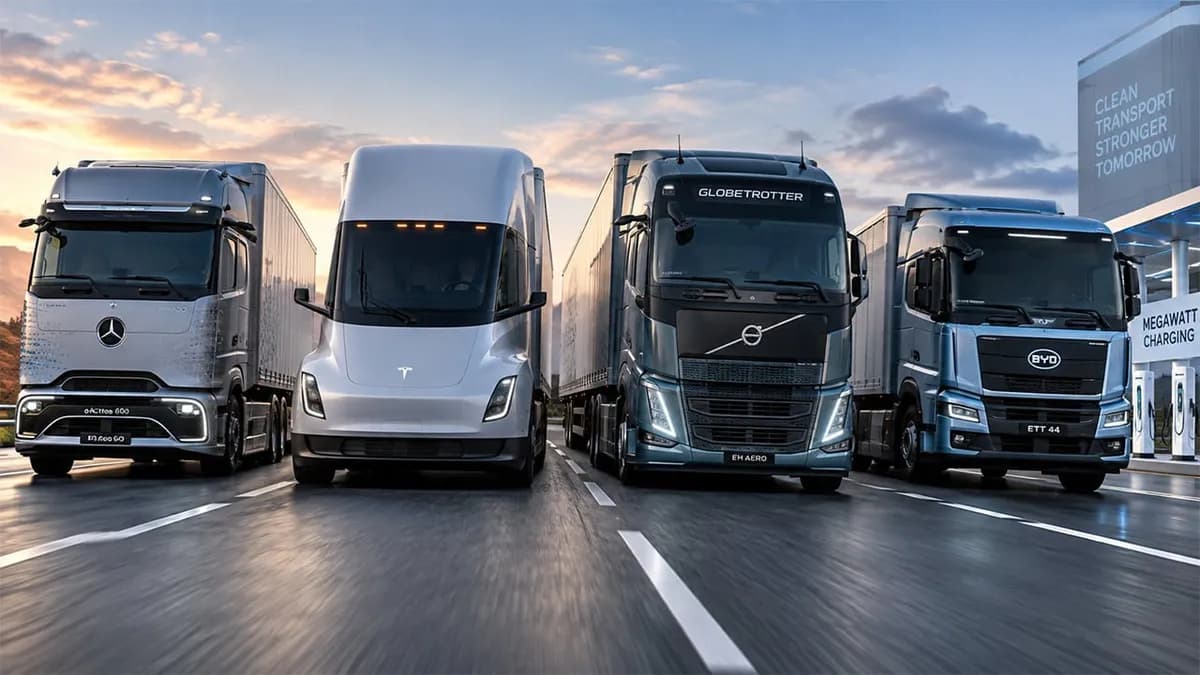
The electric truck sector is evolving, with new models boasting ranges up to 720 kilometers, challenging traditional diesel vehicles. At the recent IAA Transportation 2026 in Hannover, major manufacturers showcased advancements, indicating a shift towards electrification in long-haul transport.
The Shift to Electric Trucks
The heavy-duty trucking industry is entering a pivotal phase, moving beyond earlier electric models that offered just 300 to 400 kilometers of range. Recent developments now feature electric trucks capable of exceeding 700 kilometers, with several prominent manufacturers involved in their production.
At the recent IAA Transportation 2026 event held in Hannover, it became clear that the market is ready for an electric transformation. Major companies like MAN, Scania, and Volvo are stepping up their game, introducing electric trucks that meet or surpass the 700-kilometer range mark. For instance, the MAN eTGX and Scania's latest models are rated for 720 kilometers of range and support ultra-fast charging standards, allowing for connections of up to 1 megawatt.
Competition and Innovations
Volvo's updated FH Aero Electric is also noteworthy, offering 700 kilometers of range and a potential configuration for handling loads of up to 80 tons, significantly more than many competitors. Meanwhile, while Tesla and BYD are making strides, their trucks currently fall short in range compared to these traditional brands, with Tesla's European Semi initially rated for only 550 kilometers.
Chinese manufacturers like BYD are emerging in the European market with models like the ETT 44, which promises a 600-kilometer range and competitive pricing, reflecting the growing global competition in the electric truck sector.
The Future of Long-Distance Transport
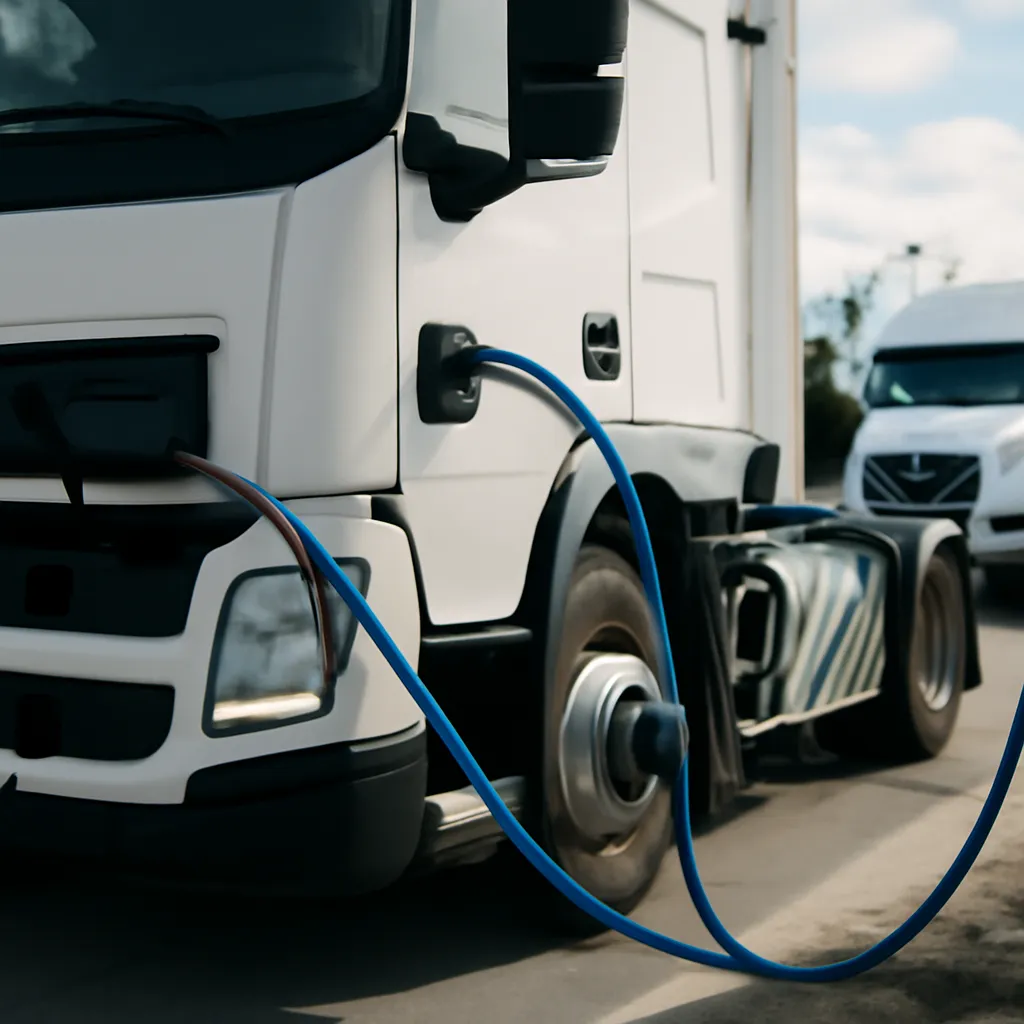
Historically, electric trucks focused on urban distribution and shorter routes due to limited range and charging infrastructure. However, the long-distance transport sector is now ready for significant change, although the expansion of high-power charging stations remains crucial for maximizing efficiency during mandatory driver breaks.
As electric trucks become more prevalent, the total cost of ownership is expected to approach that of diesel trucks, especially as charging prices become more competitive. The coming years will be critical as Europe pushes manufacturers to reduce CO2 emissions, though there is a risk that regulatory pressures may outpace infrastructure development.