
Europe's Push for Auto Industry Protection Risks Higher Car Prices
Written with artificial intelligence.
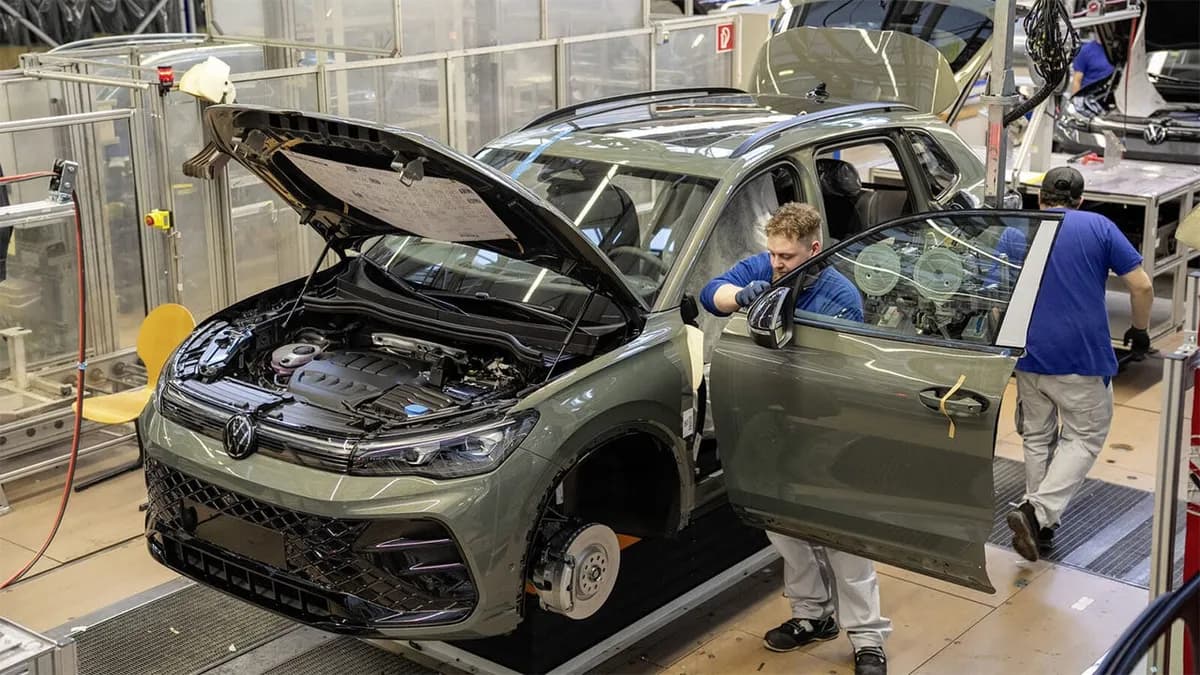
Europe is discussing the Industrial Acceleration Law, aimed at favoring 'Made in Europe' components for cars. However, industry leaders warn that this could lead to increased production costs and higher prices for consumers.
Overview of the Industrial Acceleration Law
The European Union is currently deliberating on the Industrial Acceleration Law, which intends to promote local manufacturing standards, particularly for car components and batteries. While the aim is to lessen dependency on Chinese imports, there are concerns that strict local content requirements could negatively impact production efficiency and vehicle prices.
Industry Concerns
Ola Källenius, CEO of Mercedes-Benz and president of the European Automobile Manufacturers Association (ACEA), has voiced caution regarding the proposed legislation. He highlights that modern vehicles consist of thousands of components sourced globally to optimize production efficiency. Källenius argues that imposing stringent restrictions may raise production costs, making European manufacturers less competitive against their Chinese counterparts.
Impact on Production and Costs
The potential downside of the 'Made in Europe' regulations includes complications in vehicle production, increased costs, and reduced competitiveness. Establishing a robust local supply chain takes time, and overly rigid local content rules could hinder manufacturers who may not yet have sufficient local production capabilities. This could result in higher vehicle prices if manufacturers are forced to source more expensive components domestically or from regions with higher costs.
Global Supply Chain Considerations
China currently dominates the battery supply chain, which is crucial for the electric vehicles that Europe aims to promote. Europe's lack of a strong domestic supply for these components could lead to further complications. Källenius also points out the need for Europe to maintain trade relationships with other important partners, such as the U.S., Japan, and South Korea, rather than isolating itself.
The debate surrounding the law is ongoing, and the next few months will be critical in determining how Europe can safeguard its automotive industry while maintaining competitiveness in a rapidly changing global market.