
Mercedes Begins Testing Solid-State Batteries with ProLogium
Written with artificial intelligence.
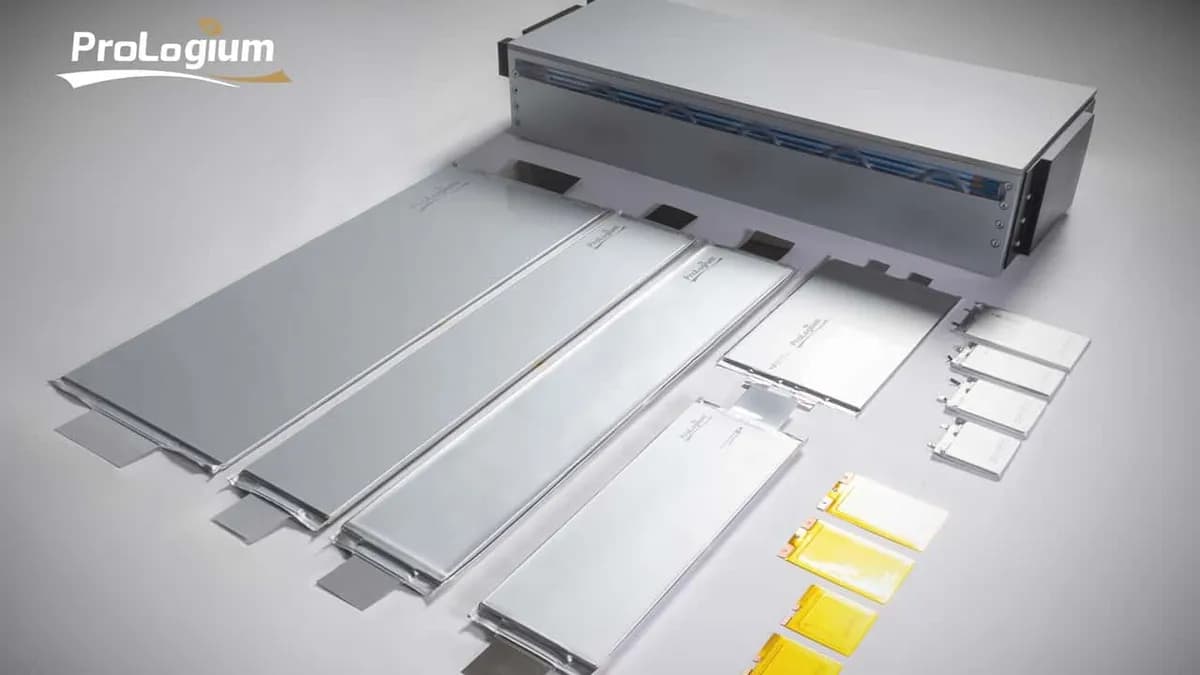
Mercedes has signed a new agreement with ProLogium to prioritize access to testing their Gen4 solid-state batteries. These batteries could recharge from 5% to 80% in just over six minutes and support over 1,000 cycles.
Testing New Solid-State Batteries
Mercedes is advancing its efforts in solid-state battery technology by partnering with ProLogium, a Taiwanese company. This agreement grants Mercedes priority access to testing ProLogium's Gen4 cells, a significant step towards incorporating these batteries into future electric vehicles.
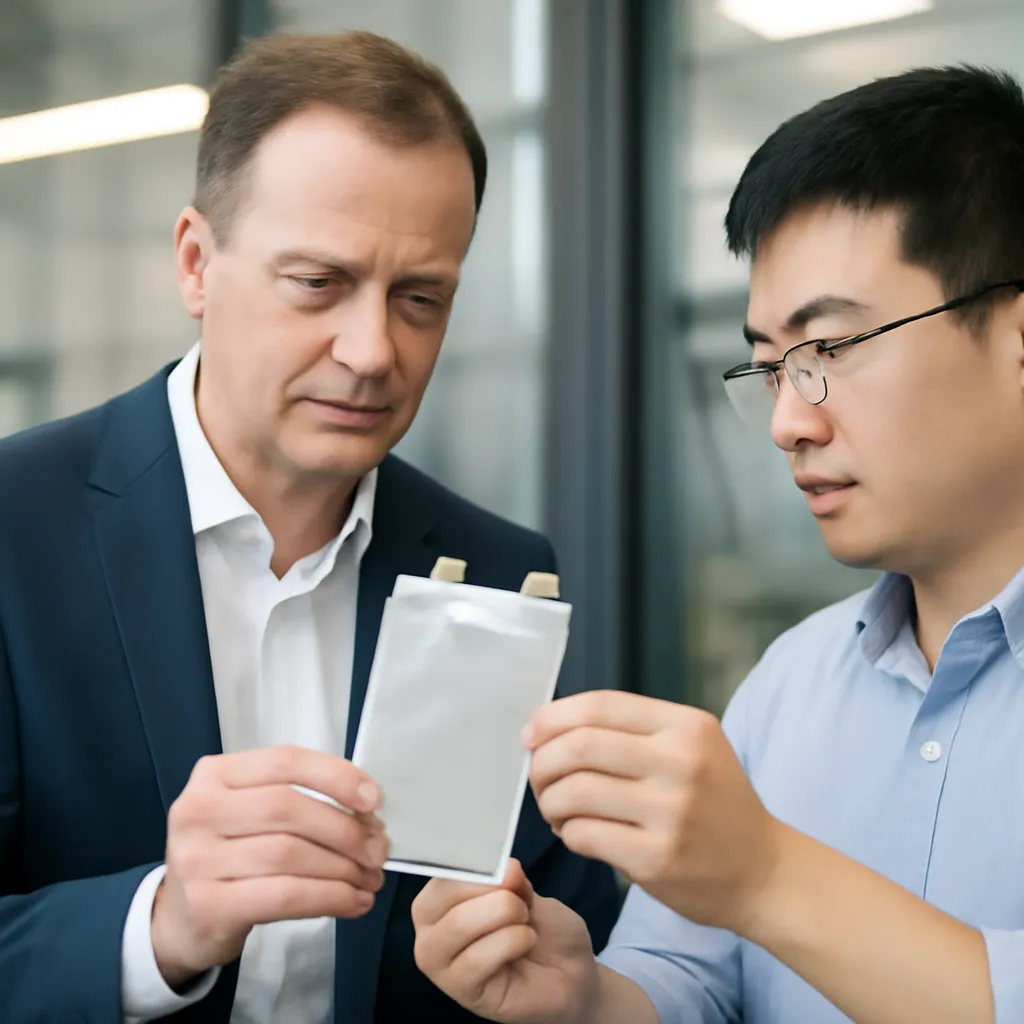
The collaboration between Mercedes and ProLogium has been ongoing for nearly a decade, and this renewed partnership highlights their commitment to developing innovative battery solutions. The Gen4 cells will undergo extensive testing, including electrical, thermal, and safety assessments, in both Mercedes-Benz facilities and specialized external laboratories.
Impressive Specifications
ProLogium's Gen4 battery technology features a lithium-ceramic design with an inorganic "superfluid" electrolyte, which is non-flammable and includes a ceramic separator. This design aims to minimize the risk of thermal runaway while enhancing performance and charging speed. The specifications provided by ProLogium indicate:
- Energy density: 360 to 400 Wh/kg
- Volumetric density: up to approximately 900 Wh/l
- Charging time from 5% to 80%: just over 6 minutes
- Cycle longevity: over 1,000 cycles
Additionally, the batteries are reported to perform well at low temperatures.
Future Production and Collaborations
The partnership between the two companies began in 2016 and was bolstered by investments from Mercedes in 2022. ProLogium currently operates a gigafactory in Taiwan and is constructing another facility in Dunkirk, France, with plans to reach a production capacity of 4 GWh per year by 2030, and a maximum capacity of 44 GWh.
Mercedes is also exploring other solid-state battery technologies, collaborating with Factorial Energy, whose solid-state cells were tested in an experimental EQS model that successfully traveled 1,205 km between Stuttgart and Malmö without recharging in 2025.