
Volkswagen Updates Older Electric Models with Battery Preconditioning
Written with artificial intelligence.
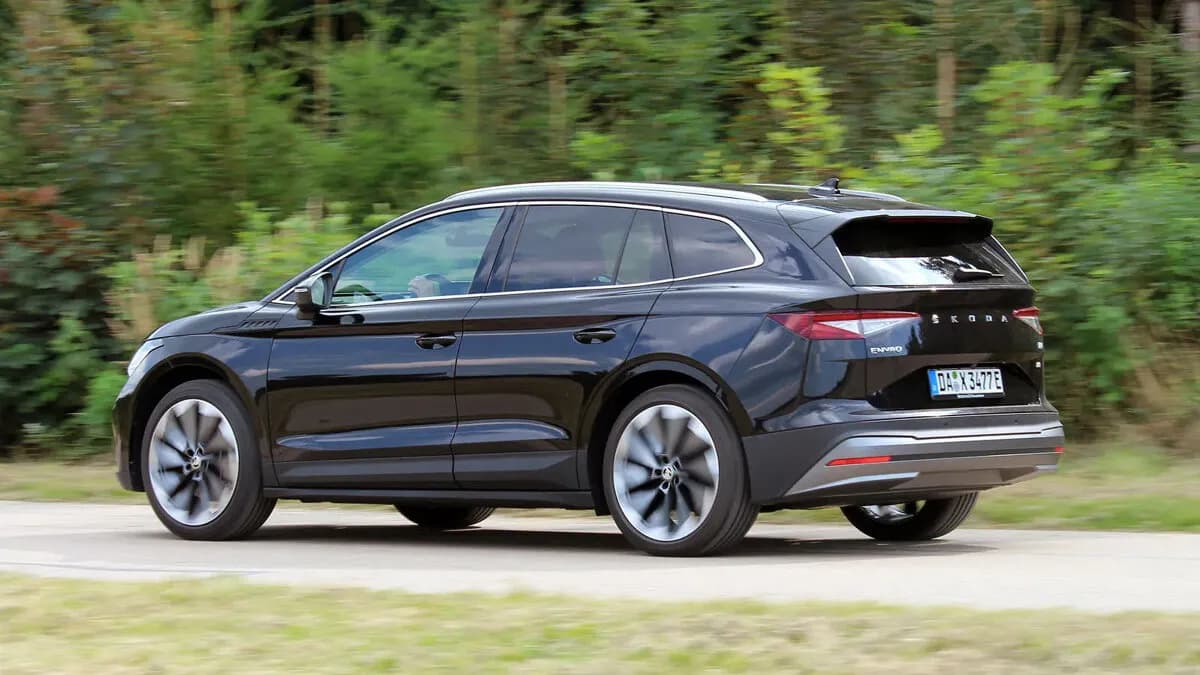
Volkswagen has announced a software update for its earlier electric vehicles across the VW, Skoda, Seat, and Audi brands, introducing battery preconditioning and other enhancements. This update applies to models manufactured between 2020 and 2024, including the ID.4, ID.5, and Skoda Enyaq.
Overview of the Update
Volkswagen is rolling out a significant software update for its electric vehicles built on the Modular Electric Drive Matrix (MEB) platform, specifically those using Software 3.x. This update introduces battery preconditioning, a feature previously absent in many models, along with enhanced battery monitoring and improvements to user interfaces.
Key Features
The new battery preconditioning system allows users to manually preheat their vehicle's battery before using fast charging stations. This aims to maximize charging performance in colder conditions, addressing the common issue of reduced charging efficiency with cold batteries. Key updates include:
- Battery Preconditioning: Activated manually in the vehicle's charging menu.
- Improved Battery Monitoring: Enhanced diagnostics to check for excessive self-discharge.
- User Interface Enhancements: Automatic dismissal of the welcome screen after five seconds.
Affected Models
The update primarily targets the following Volkswagen models:
- VW ID.4 and ID.5 manufactured before October 2023
- VW ID.3 built until 2024
- Early VW ID. Buzz
- Older Skoda Enyaq models, which will receive the features through a separate Skoda update to ME3.9.
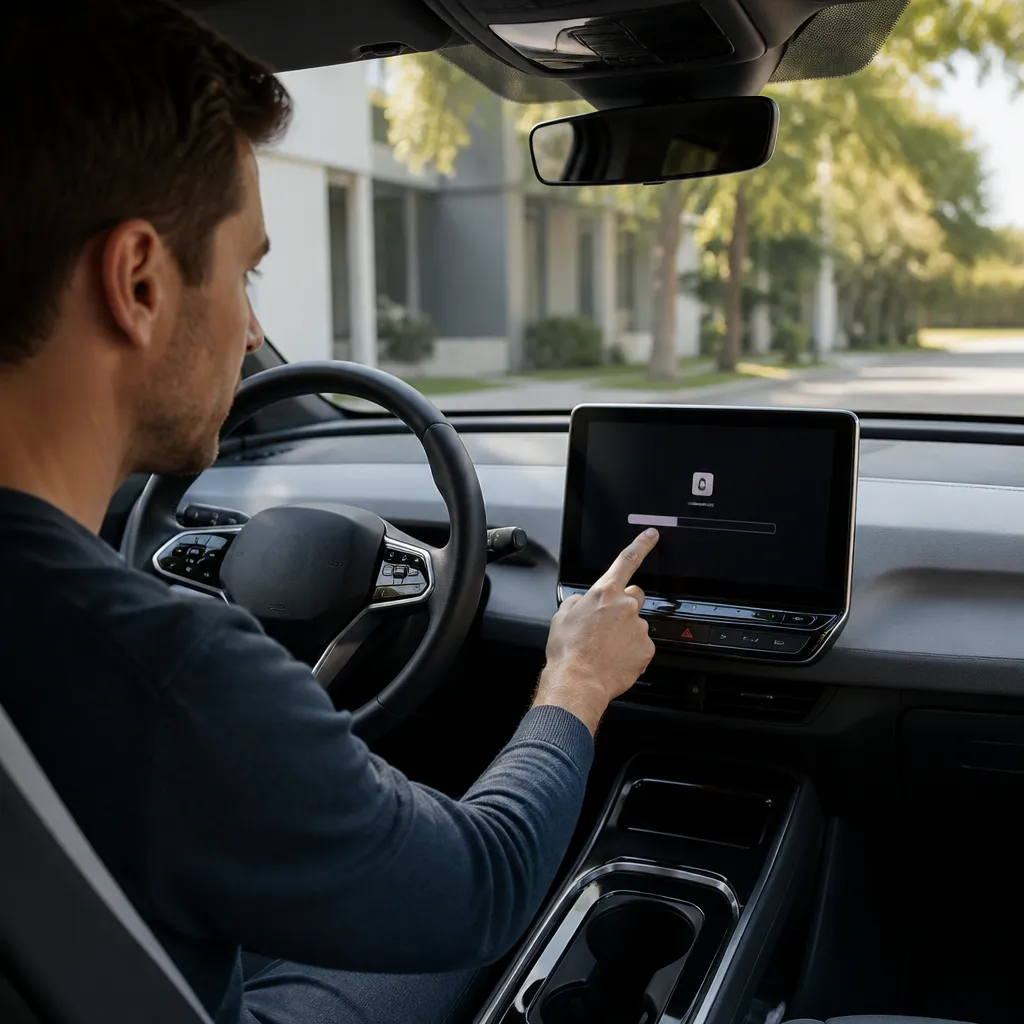
Volkswagen has not specified the exact number of vehicles affected or the criteria for the initial rollout of the update, which will be distributed in phases starting with a small group of vehicles.
Important Considerations
The battery preconditioning process utilizes energy from the vehicle's battery and may impact driving range, depending on various factors like outside temperature and battery size. Additionally, after the update, the vehicle will check for any potential self-discharge issues, alerting drivers if maintenance is required. It's important to note that the vehicle will not be operational during the update process, which requires a minimum battery charge of 50%.
Given that this is a critical update, Volkswagen emphasizes the importance of adopting it to ensure continued software support and access to future updates. However, vehicles using older software versions may need to visit a service center for initial updates before they can access this OTA update.