Land Rover Defender Wolf Series II Returns for Military Use
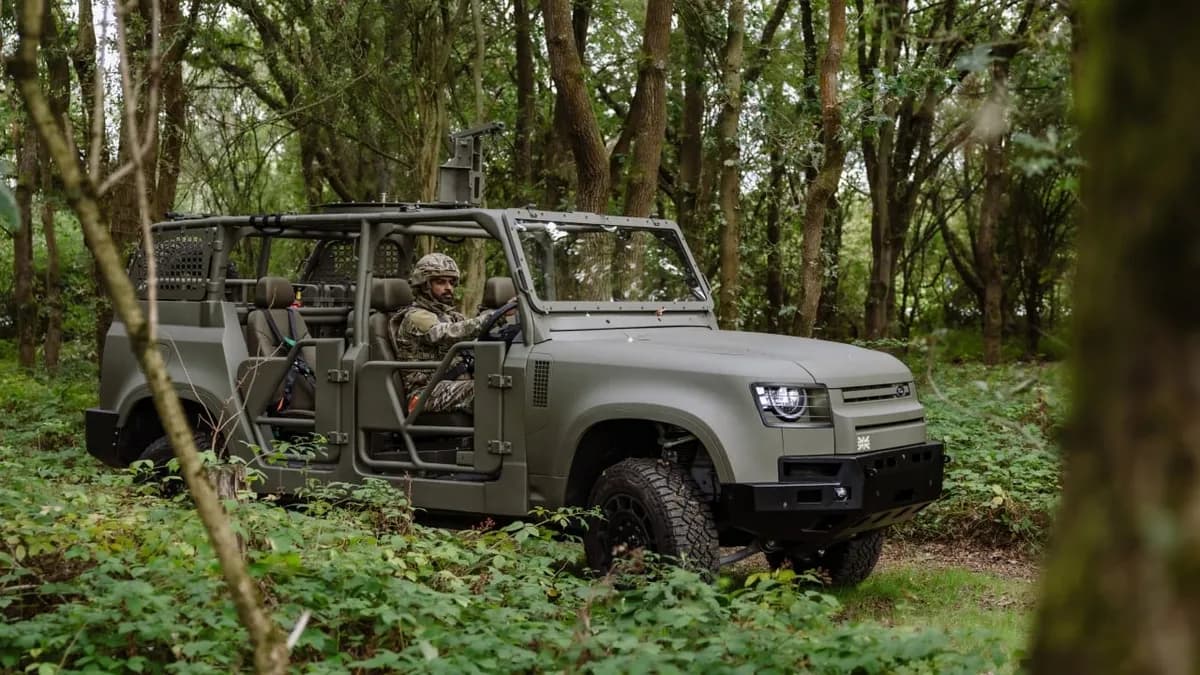
Jaguar Land Rover has unveiled the Defender Wolf Series II, a military adaptation of the Defender, at the British Army DVD 2026 event. This new variant features a carbon monocoque chassis and is designed to meet military operational demands.
Overview of the Defender Wolf Series II
Jaguar Land Rover (JLR) has introduced the Defender Wolf Series II, an evolution of its famed military variant originally launched in the 1990s. This model continues Land Rover's long-standing tradition of producing military vehicles, predominantly for British forces, for over 70 years.
Variants and Specifications
At the British Army DVD 2026 event in Millbrook, Bedfordshire, JLR showcased three distinct variants of the Wolf Series II:
- TMV (Tactical Mobility Vehicle): Features lightweight doors, four seats, and provisions for mounting weapons.
- M-TMV (Mono-Tactical Mobility Vehicle): Based on the Defender 110 with similar features as the TMV.
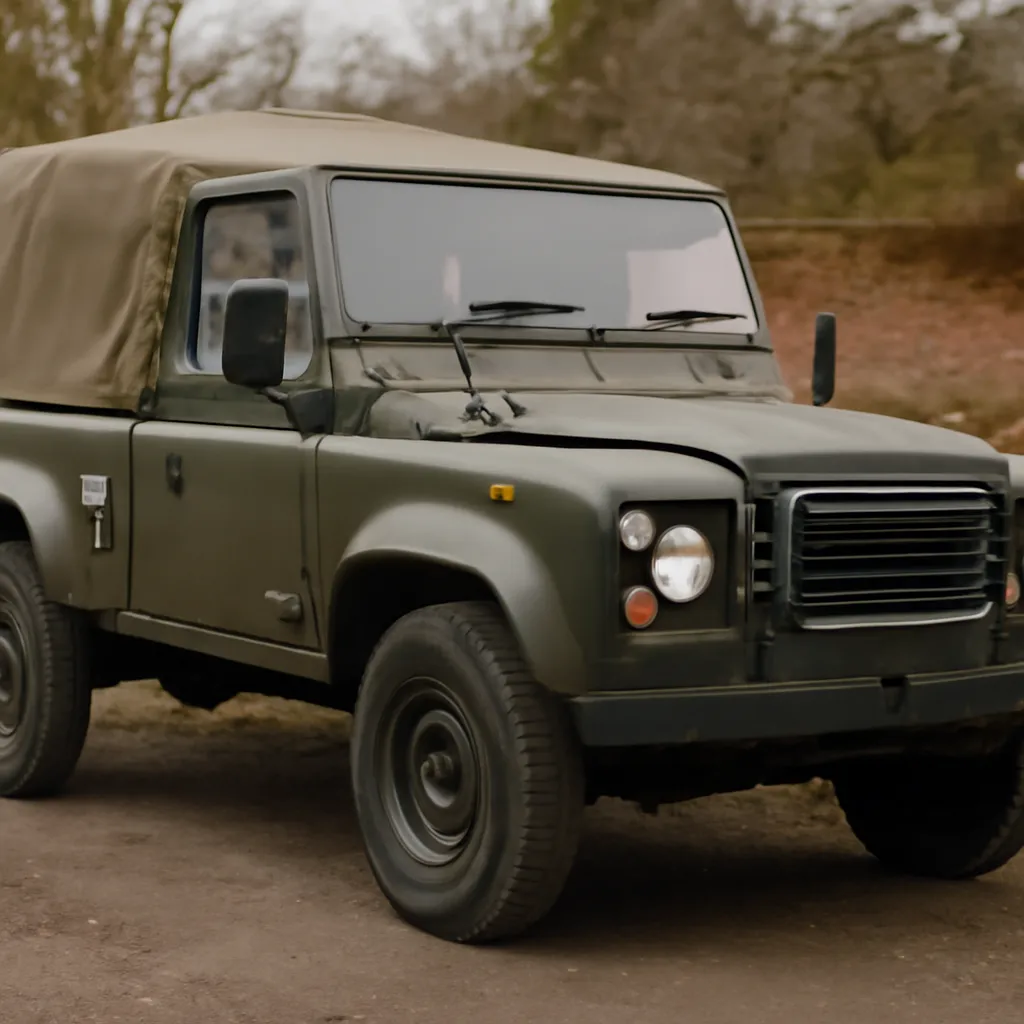
- UV (Utility Vehicle): Based on the Defender 130 with a pickup configuration, providing a simple cabin and rear cargo space.
Each variant utilizes the D7x platform, replacing the traditional chassis with a carbon fiber monocoque structure to enhance versatility across various terrains.
Engine and Performance
The Defender Wolf Series II is powered by a 6-cylinder diesel engine producing 254 hp and 576 Nm of torque, with an impressive range of approximately 938 km. It maintains a ground clearance of 293 mm and a fording capability of around 900 mm. Notably, JLR has conducted over 62,000 tests to ensure these vehicles meet military operational standards in diverse environments.
Testing and Market Intent
The testing encompassed extreme conditions, from deserts exceeding 50°C to polar climates below -40°C, as well as high-altitude trials in Colorado. The design aims to minimize complexities that could hinder mission success, while still incorporating features like off-road cruise control and terrain response configurations. JLR intends to compete for the UK Ministry of Defence's contracts for light military vehicles and plans to offer these models to NATO member countries.