
CATL's Shenxing Battery Promises Rapid Charging Technology
Written with artificial intelligence.
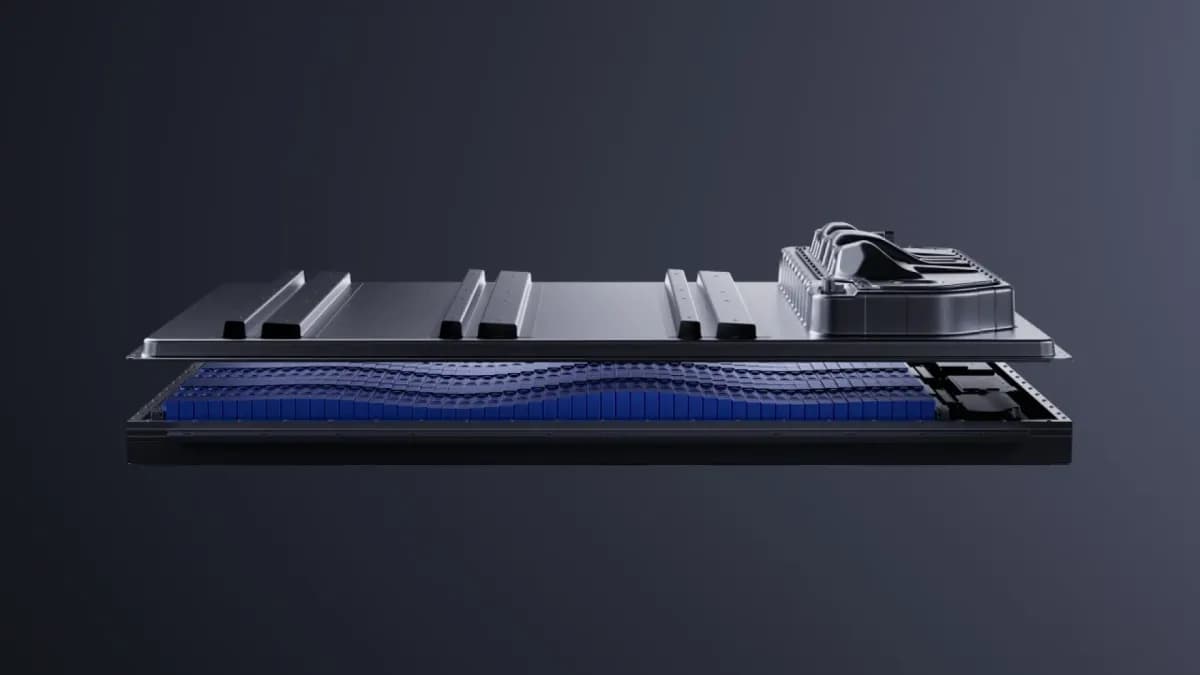
CATL introduces its third-generation Shenxing battery, achieving impressive charging capabilities, going from 10% to 80% in just 3 minutes and 44 seconds. This innovation could significantly impact the electric vehicle market, competing directly with BYD's offerings.
Overview of Shenxing Battery
CATL has unveiled its third-generation Shenxing battery, designed to tackle the slow charging issue that electric vehicles face. This latest lithium iron phosphate (LFP) battery can charge from 10% to 80% in just 3 minutes and 44 seconds, significantly reducing downtime for EV users. In just one minute, it can reach 35%, and it takes only 6 minutes and 27 seconds to charge to 98%.
Key Features
- Charging Rate: The Shenxing battery provides a charging rate of 10C, peaking at 15C, allowing for a rapid influx of energy.
- Internal Resistance: CATL has lowered the battery's internal resistance to 0.25 milliohms, about 50% below the industry average, minimizing energy loss and heat generation during high current flows.
- Cooling Technology: The Cell Shoulder Cooling Technology enhances cooling efficiency by 20%, precisely managing temperatures within the battery cells during rapid charging.
- Extreme Temperature Performance: The battery features a self-heating system that ensures optimal charging performance even in low temperatures, capable of charging from 20% to 98% in around 9 minutes at -30 ºC.
Competitive Landscape
This development comes as CATL competes with BYD, which has its own Blade Battery technology. BYD's Blade Battery 2.0, also LFP, can charge from 10% to 70% in 5 minutes and from 10% to 97% in 9 minutes, but requires 12 minutes for similar performance in extreme cold conditions. While BYD's technology is impressive, CATL's Shenxing appears to have an edge in both speed and efficiency.
Conclusion
The race in battery technology for electric vehicles is intensifying, particularly between Chinese giants CATL and BYD. As both companies push the boundaries of charging capabilities, the outcome will significantly influence the future of electric vehicle performance and consumer adoption.