
Electric Cars Show Greater Reliability After 100,000 km Compared to Gasoline and Diesel Vehicles
Written with artificial intelligence.
A study by the UK's Ministry of Transport (MOT), analyzing over 47 million vehicle assessments, reveals that electric cars demonstrate comparable or lower mechanical failure rates than gasoline and diesel cars after 100,000 km. The findings suggest that electric vehicles not only last longer but also exhibit a 'Durability Plateau' effect in terms of reliability.
Study Overview
The UK's Ministry of Transport (MOT) has conducted a comprehensive study involving 47.4 million vehicle assessments to determine the reliability of electric vehicles (EVs) compared to traditional gasoline and diesel vehicles after 100,000 km (approximately 60,000 miles). This research provides valuable insights for potential buyers considering different vehicle types.
Key Findings
The MOT study indicates that:
- Mechanical Failure Rates: After 100,000 km, electric vehicles show mechanical failure rates that stabilize around 16%, while gasoline and diesel vehicles see their failure rates rise to about 22%-23.5%.
- Durability Plateau: EVs experience a favorable durability trend known as the 'Durability Plateau,' wherein the likelihood of failing inspections stabilizes as mileage increases, contrasting with the ongoing deterioration observed in combustion engines.
Specific Issues Identified
While EVs have notable advantages, the study highlights specific challenges:
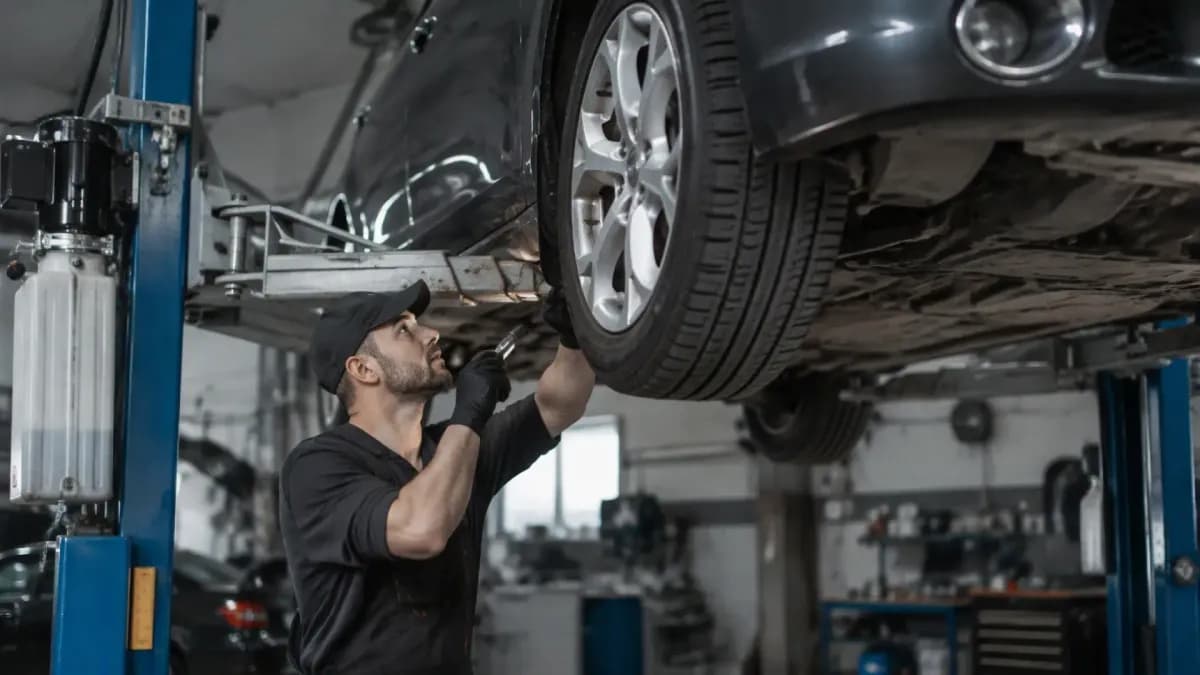
- Tire Wear: Due to the weight of the battery and instant torque delivery, EVs exhibit approximately 1.8 times more tire wear compared to gasoline vehicles. However, platforms designed exclusively for electric vehicles mitigate this issue better than those adapted from traditional combustion engines.
- Brake Corrosion: EVs may face brake corrosion issues due to lower usage, but regenerative braking helps maintain brake condition effectively.
Longevity and Retention
The longevity of electric vehicles is also noteworthy:
- Scrapping Rates: After 15 years, only 5.4% of electric vehicles are scrapped, compared to 11.9% of gasoline vehicles, indicating that EVs have a significantly higher likelihood of remaining operational in their second decade.
Overall, the MOT's findings suggest that electric vehicles not only match but often exceed the reliability and durability of traditional combustion-powered cars, making them a compelling choice for consumers considering long-term vehicle investment.