
Michelin Confirms Electric Vehicle Tires Wear Out 20% Faster
Written with artificial intelligence.
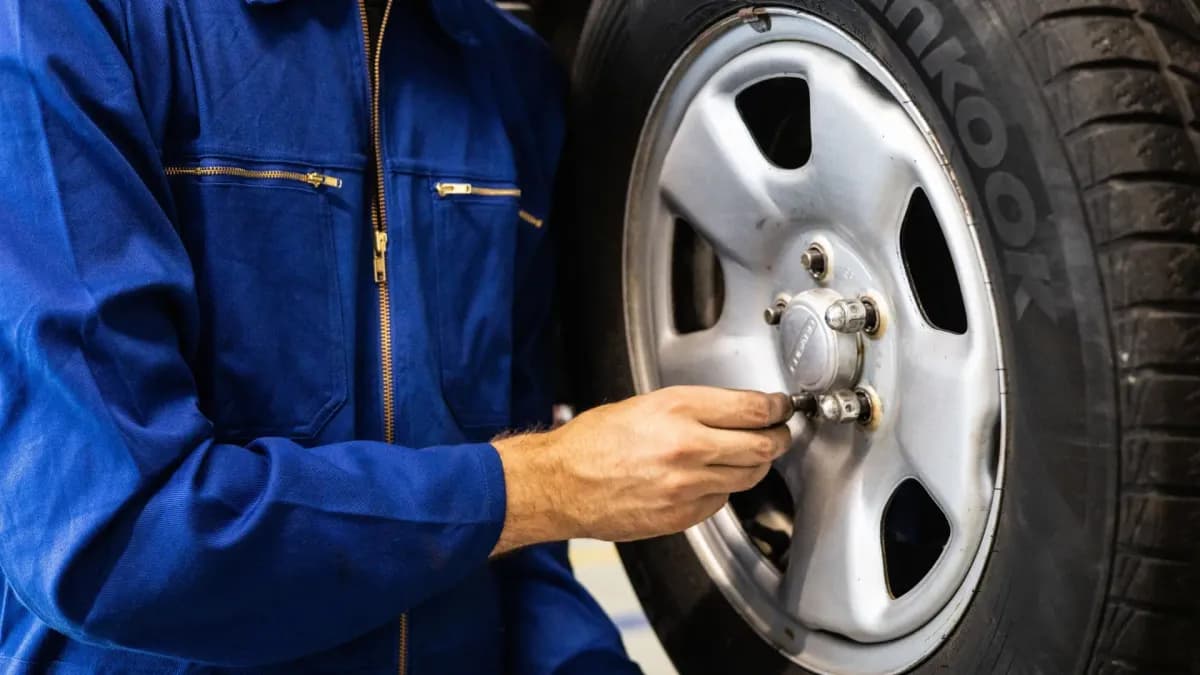
Michelin has reported that tires on electric vehicles can wear out an average of 20% quicker than those on traditional combustion engine vehicles. This increased wear is attributed to the weight of batteries and the immediate torque produced by electric motors.
Tire Wear in Electric Vehicles
According to Michelin, electric vehicles (EVs) experience faster tire wear primarily due to the additional weight of their batteries and the powerful acceleration capabilities of electric motors. These factors lead to tires bearing heavier loads and experiencing greater stress during driving.
While EVs generally require less mechanical maintenance than gasoline or diesel vehicles—due to fewer components needing regular checks, like engine oil or spark plugs—their tires may need to be replaced more frequently. A study from USCALE published in 2025 noted that 32% of electric vehicles with 20,000 to 39,999 kilometers had already changed their tires, compared to only 19% of combustion vehicles.
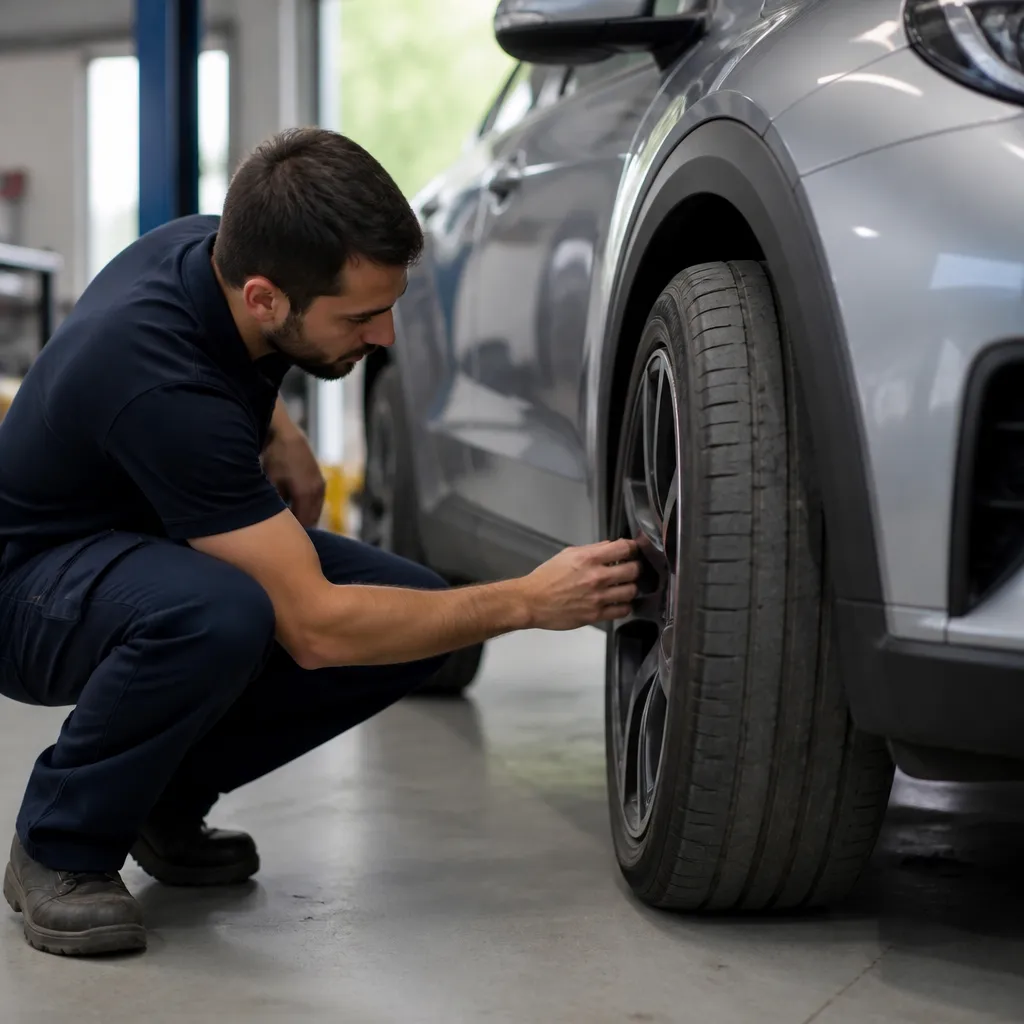
To mitigate tire wear, Michelin advises EV owners to maintain the recommended tire pressure and to avoid harsh accelerations and braking. Regularly checking the condition of the tires and ensuring even wear is also crucial. Additionally, it's important to select tires that meet the vehicle manufacturer's specifications, particularly regarding size and load index. The German automobile club ADAC states that while tires specifically designed for electric vehicles are not mandatory, they must be suitable for the model in use.