
Porsche Reintroduces Gasoline Macan Amid Market Adjustments
Written with artificial intelligence.
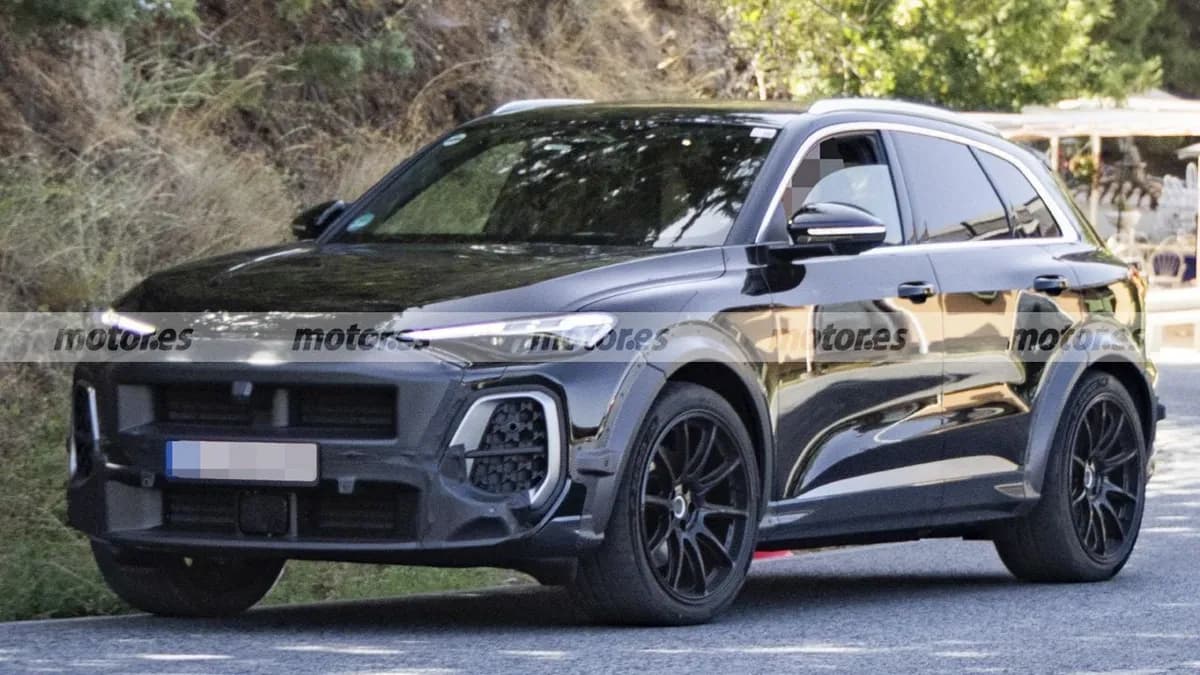
Porsche has decided to bring back the gasoline version of the Macan, responding to strong customer demand. CEO Michael Leiters emphasizes a pragmatic shift in strategy to balance electric and combustion engine offerings amidst economic challenges in Europe.
Porsche's Strategic Shift
Porsche is revising its strategy to reintroduce the gasoline version of the Macan, recognizing that many customers prefer traditional combustion engines. This change comes as the company navigates a challenging economic landscape in Europe and aims to ensure financial stability.
CEO Michael Leiters describes this adjustment, termed Sportwagenschmiede 35, as a pragmatic approach rather than an ideological retreat. While Porsche continues to invest in electric vehicles, it acknowledges the need to maintain hybrid and gasoline options alongside electric models to meet customer expectations.
Sales Insights
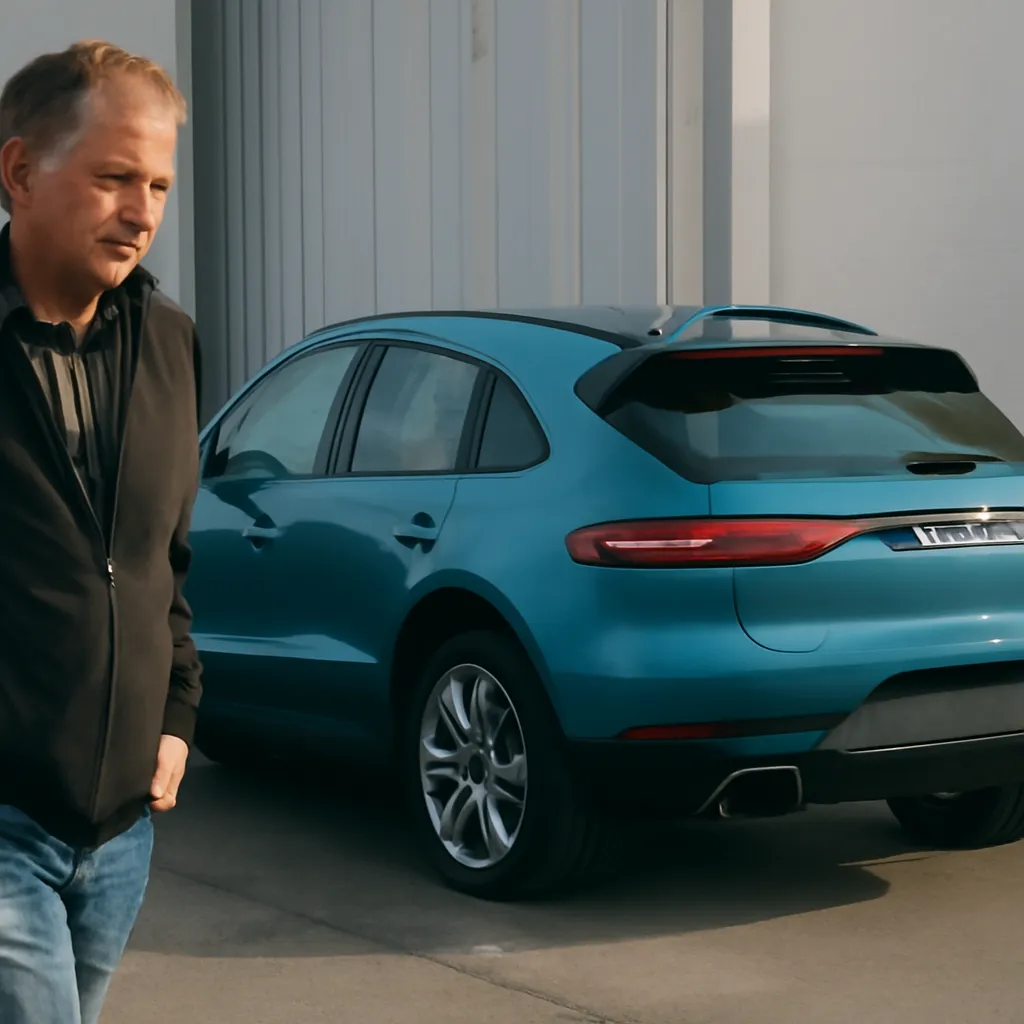
Interestingly, despite being removed from the market, the gasoline Macan outperformed its electric counterpart in sales during the first quarter of 2026, with 19,695 units sold compared to 15,620 for the electric version. The internal code for this gasoline Macan is M1, also referred to as project Octan in various reports.
The decision to extend the gasoline lineup is driven by financial survival, as prematurely phasing out combustion options could jeopardize cash flow. Furthermore, the iconic Porsche 911 continues to serve as a financial backbone, generating significant revenue to support electrification efforts.
Future Projects
Recent updates indicate shifts in several projects within Porsche. For example, the upcoming Mission S, anticipated to succeed the 918 Spyder, may feature a V8 engine instead of the previously considered boxer engine. Additionally, plans for a flagship electric SUV, originally intended to compete with luxury models like the Rolls-Royce Cullinan, are still in place but may now utilize a combustion platform linked to the Audi Q9.
Leiters aims for Porsche's profit margins to return to previous levels, targeting between 10% and 15% in the future, with expectations of 5.5% to 7.5% for 2026. This contrasts with Ferrari, which has consistently increased its margins, approaching 30%.