
Gasoline Vehicle Sales Fall Below 50% for the First Time
Written with artificial intelligence.
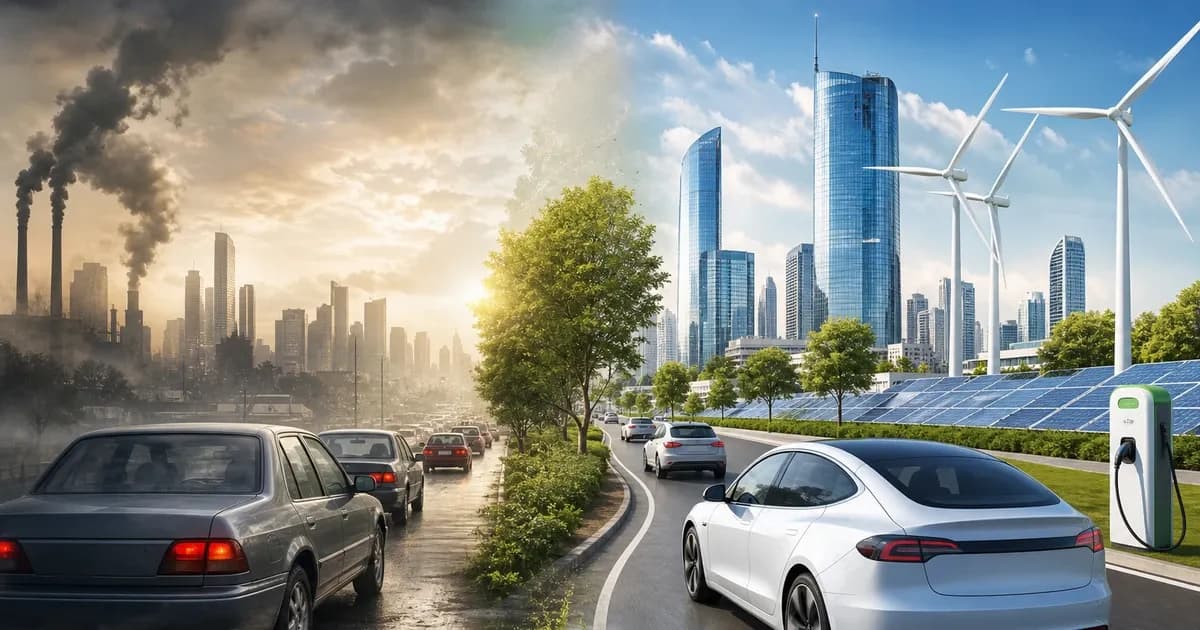
Global sales of gasoline vehicles have dipped below 50% for the first time, marking a significant shift in the automotive market. Electric and hybrid vehicle sales are surging due to rising fuel prices and maintenance costs.
Decline in Gasoline Vehicle Sales
For the first time since the 1920s, gasoline vehicles now account for only 49% of global new car sales in the first half of 2024. This drop below the 50% mark comes amid rising oil prices and increasing maintenance costs for gasoline-powered cars, driving consumers toward electric and hybrid models.
According to data from Mobility Global, approximately 20.25 million gasoline vehicles were sold in the first half of 2024, reflecting a 10% decrease from the same period last year. In 2021, gasoline vehicles held a 73% market share, but escalating fuel prices and maintenance expenses have contributed to this significant decline.
Growth in Electric and Hybrid Vehicles
In contrast, electric vehicle sales rose impressively, reaching 6.87 million units, a 12% increase year-over-year, making up about 17% of total new vehicle sales. Hybrid vehicle sales also grew by 10%, totaling 7.27 million units. China continues to dominate the electric vehicle market, accounting for nearly half of global sales, despite a slight 3% decrease attributed to reduced incentive policies early in the year.
Europe and Southeast Asia are at the forefront of this transition, with electric vehicle sales in Europe increasing by 32% to 1.81 million units, and Southeast Asia witnessing an 81% rise, totaling 350,000 units. Oceania also saw electric vehicle sales double to 110,000 units.

Future Outlook
Yoshiaki Kawano, director of Mobility Global, indicated that subsidy cuts and other factors have slowed electric vehicle growth early in 2024, but high oil prices have made consumers more aware of the lower running costs of electric vehicles. It is projected that by 2030, electric vehicles will comprise over 30% of total new vehicle production, surpassing hybrids and gasoline vehicles.
This transition represents a significant shift in the global automotive industry, as electric vehicles increasingly become the preferred choice amid environmental and economic pressures. However, this change also poses challenges for manufacturers and supply chains, particularly in meeting battery demand and developing charging infrastructure.