
Mercedes to Discontinue Three Models by 2027
Written with artificial intelligence.
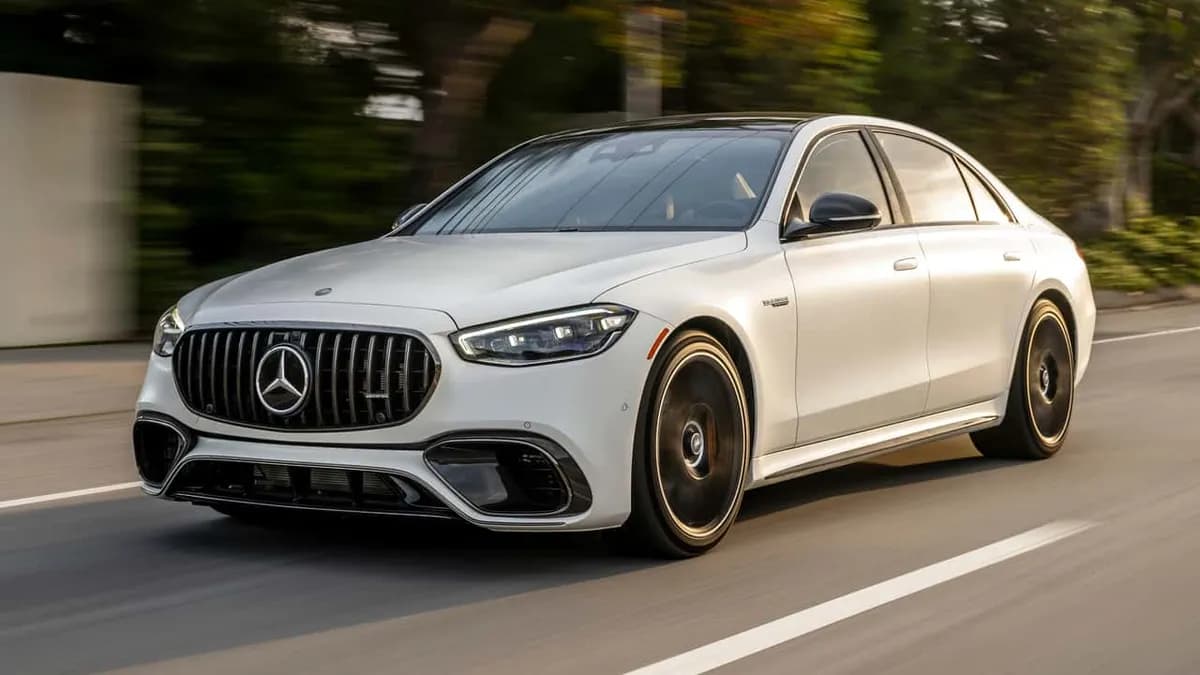
Mercedes-Benz plans to streamline its lineup by discontinuing the EQE sedan, AMG S 63 E Performance, and Maybach EQS 680 SUV by 2027. This move aligns with the company's strategy to integrate electric models more closely with their combustion engine counterparts.
Key Model Discontinuations
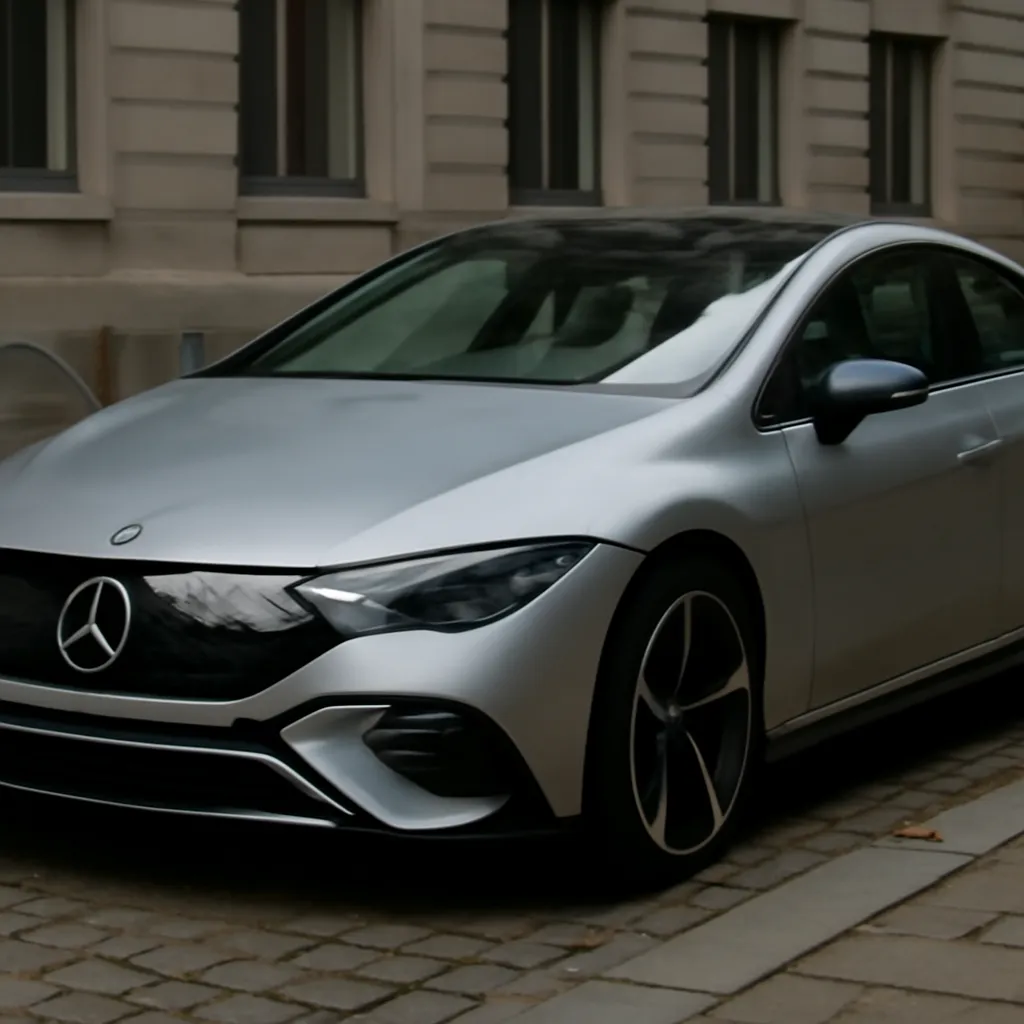
Mercedes-Benz is set to make significant changes to its vehicle lineup, particularly in the electric segment. By 2027, the company will no longer offer the EQE sedan, including its AMG variant, the Mercedes-AMG S 63 E Performance, and the Maybach EQS 680 SUV.
A spokesperson for Mercedes confirmed to Car And Driver that these models are slated for removal as the brand seeks to align its electric offerings with traditional combustion models. The discontinuation marks a pivotal moment in Mercedes' transition toward a more streamlined electric vehicle strategy.
Details on the Models
- EQE Sedan: Initially introduced as a fully electric alternative to the E-Class, the EQE will cease production due to increased competition and the introduction of other electric models like the CLA and a new electric version of the C-Class.
- AMG S 63 E Performance: This high-performance variant, featuring a 4.0-liter twin-turbo V8 hybrid engine with 590 kW (802 hp) and 1,430 Nm of torque, will also be discontinued. While it leaves a gap in the performance segment of the S-Class, there may be future plans for a different S 63 model with updated powertrains.
- Maybach EQS 680 SUV: Known for its luxury and high price point, the Maybach EQS combined the electric drivetrain of the EQS SUV with exclusive design and materials. While this model will be discontinued, Mercedes has hinted at the possibility of other electric Maybach variants in the future.
These changes reflect Mercedes-Benz's broader strategy to simplify its electric lineup and integrate battery-powered vehicles more seamlessly into its existing range. Further adjustments to the model lineup may follow as the brand continues to adapt to market demands.