
Honda Develops Wireless Charging System for Moving Electric Vehicles
Written with artificial intelligence.
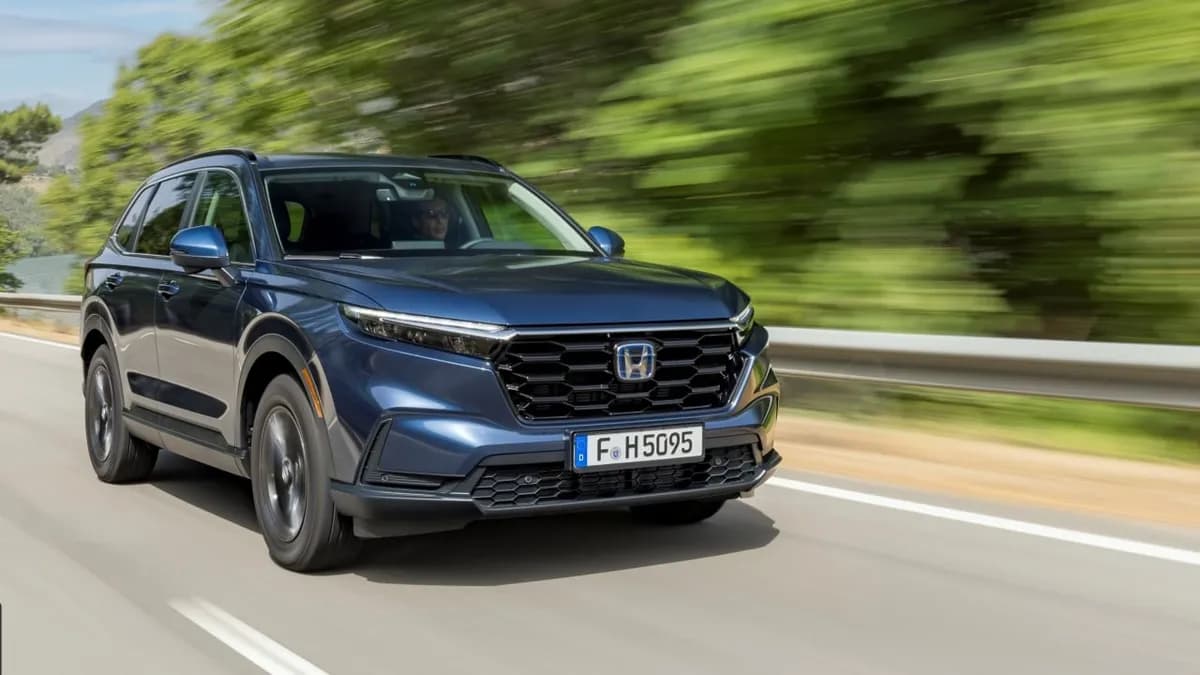
Honda is collaborating with Taisei to create a wireless charging system that allows electric vehicles to recharge while in motion. The technology, set to be demonstrated in public by April 2027, aims to facilitate electrification and reduce pollution in transportation.
Overview of the Technology
Honda is working on a dynamic wireless power transfer (DWPT) system that enables electric vehicles (EVs) to charge their batteries while driving. This initiative, developed in partnership with Taisei and Taisei Rotec, is inspired by similar technologies being tested in France. The goal is to have the technology ready for demonstration on public roads starting in April 2027.
Components of the System
The DWPT system consists of three main components:
- Transmission and Reception Units: Honda is developing compatible transmitter and receiver units for direct current (DC) electricity distribution.
- Power Supply: Taisei will handle the DC power supply.
- Road Equipment: Taisei Rotec is responsible for the installation of charging infrastructure on the roads.
This setup allows for wireless energy transfer that is easy to install in road surfaces, promoting electrification and reducing transportation emissions.
Charging Capabilities
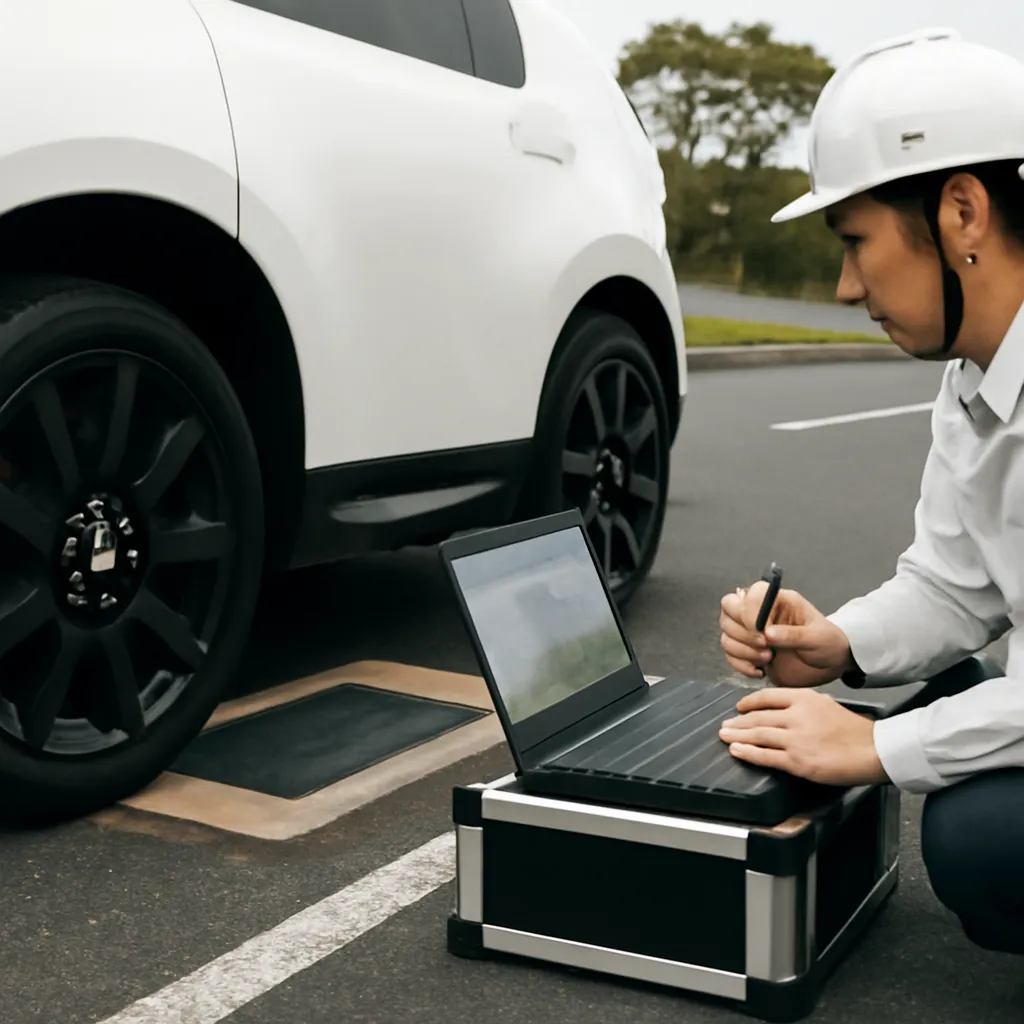
The system aims to provide stable charging of up to 150 kW, comparable to existing fast chargers on Spanish highways. The ground infrastructure will feature multiple connected GA units that transmit energy to a vehicle’s VA receiver. These components are designed to withstand heavy traffic, including vehicles weighing up to 20 tons.
Future Testing and Implementation
Demonstrations of the DWPT technology are scheduled to begin in public spaces after completion of initial validation tests at Taisei’s Future Technology Field. Testing will also take place at Taisei's facilities in Tamura later this year. The reliability of the system at highway speeds will be assessed in the coming months, ensuring it meets the demands of real-world driving conditions.