
Tesla Files Patent for Enhanced Wireless Charging System
Written with artificial intelligence.
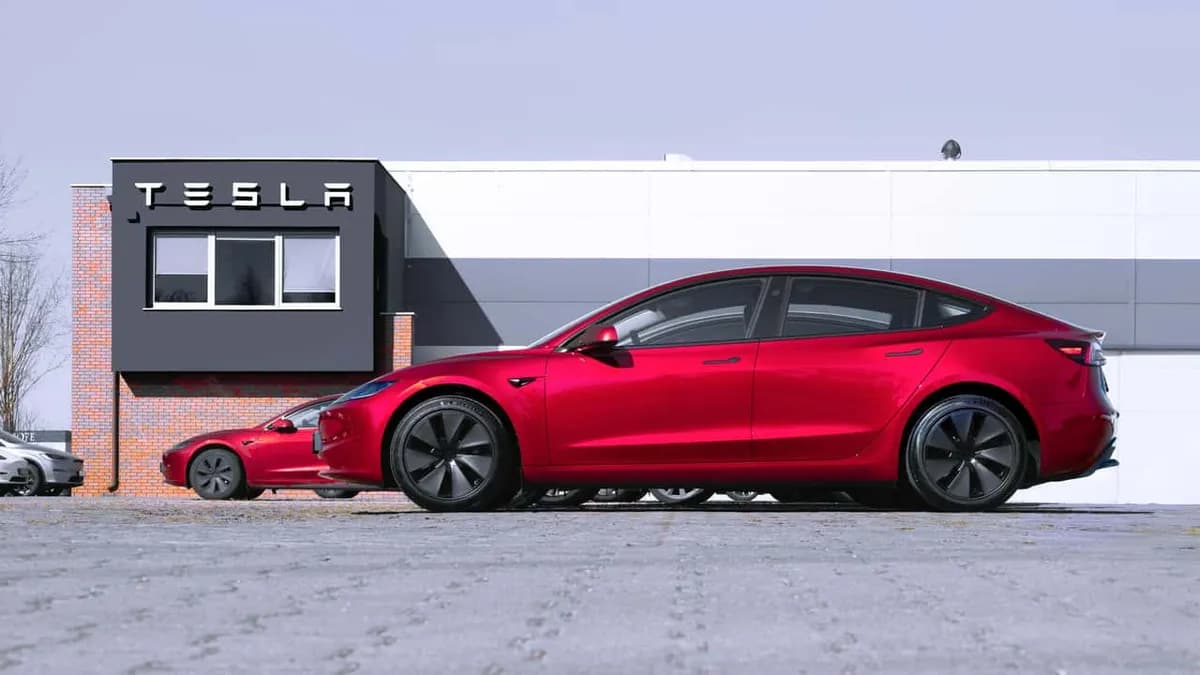
Tesla has submitted a patent application for a new wireless charging system that can differentiate between metallic objects and simple heat sources, aiming to enhance safety during charging. This technology could potentially be integrated into future Cybercab models.
Overview of the Patent
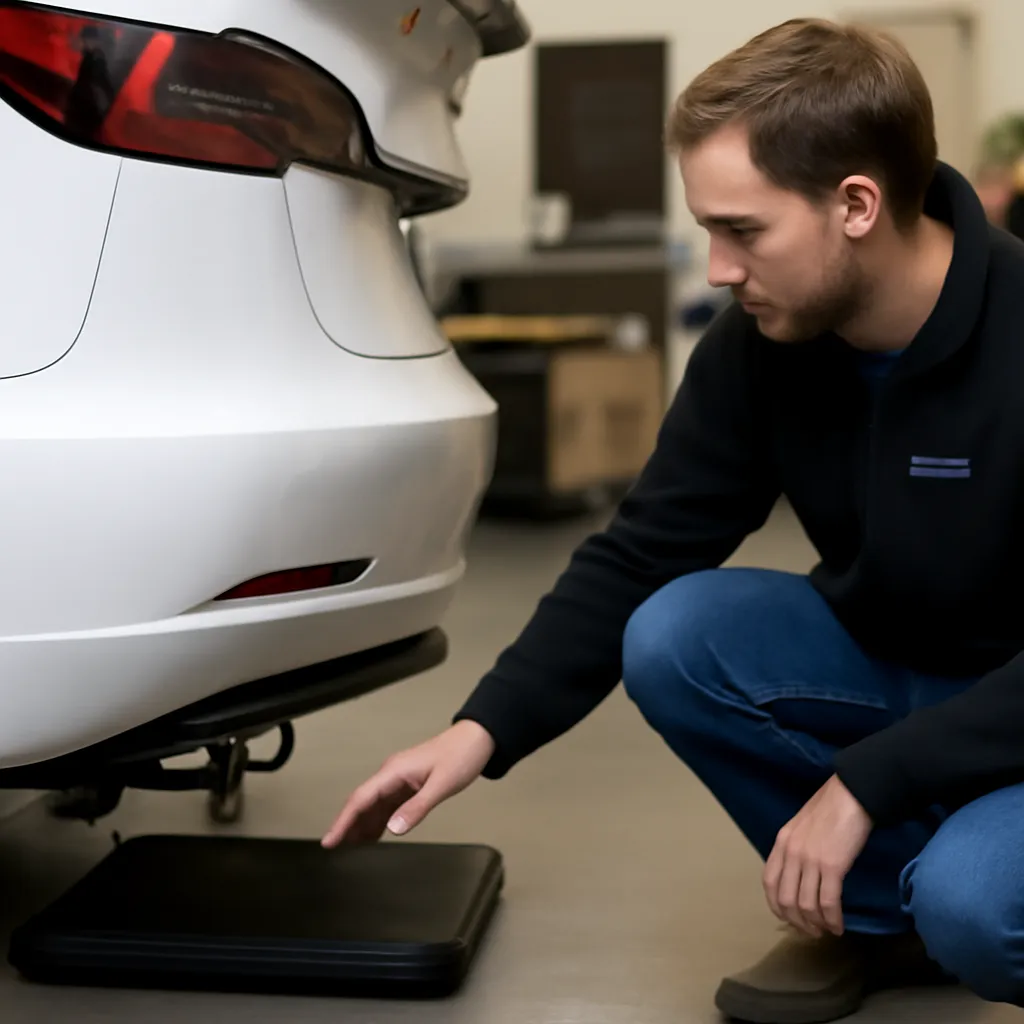
Tesla is working on making wireless charging safer with a new patent application that was submitted in March and published recently. The proposed system is designed to detect metallic objects on the charging pad before or during energy transmission, distinguishing them from variations in temperature.
Key Features of the System
The patent highlights the ability to differentiate between dangerous foreign objects and simple thermal changes. This is crucial as misinterpreting heat as metal could either result in unnecessary charging halts or failure to stop charging when needed. The system includes a detector that sends electrical signals through an inductive coil integrated into a resonant circuit.
- Signals are distributed across a range of frequencies near the nominal resonant frequency, rather than a single fixed value.
- This multifrequency approach allows for more information to be gathered from the charging pad, enabling the system to react dynamically to different scenarios.
Technical Mechanism
The technology relies on two electrical properties of the coil: resistance and inductance. When a metallic object is present, the coil's resistance increases while its inductance decreases, a behavior distinct from that caused by heat alone. The detector also monitors changes in resonance frequency distribution and output voltage peaks, comparing these signals to those expected from mere thermal variations to isolate the signature of a metallic object.
Future Applications
While the patent does not confirm that this technology is currently deployed in any Tesla models, it suggests potential applications in the upcoming Cybercab and Robotaxi services. Tesla's Cybercab, which began offering paid rides on September 4, 2026, features no steering wheel or pedals, and is accessible via the Tesla Robotaxi app in designated urban areas. Plans for a dedicated charging hub in Austin with approximately 80 wireless charging points for the fleet are also underway, indicating that this wireless charging solution is not just theoretical but tied to real infrastructure developments.