
Tesla Roadster's Design Evolution: A Shift from Smooth to Angular
Written with artificial intelligence.
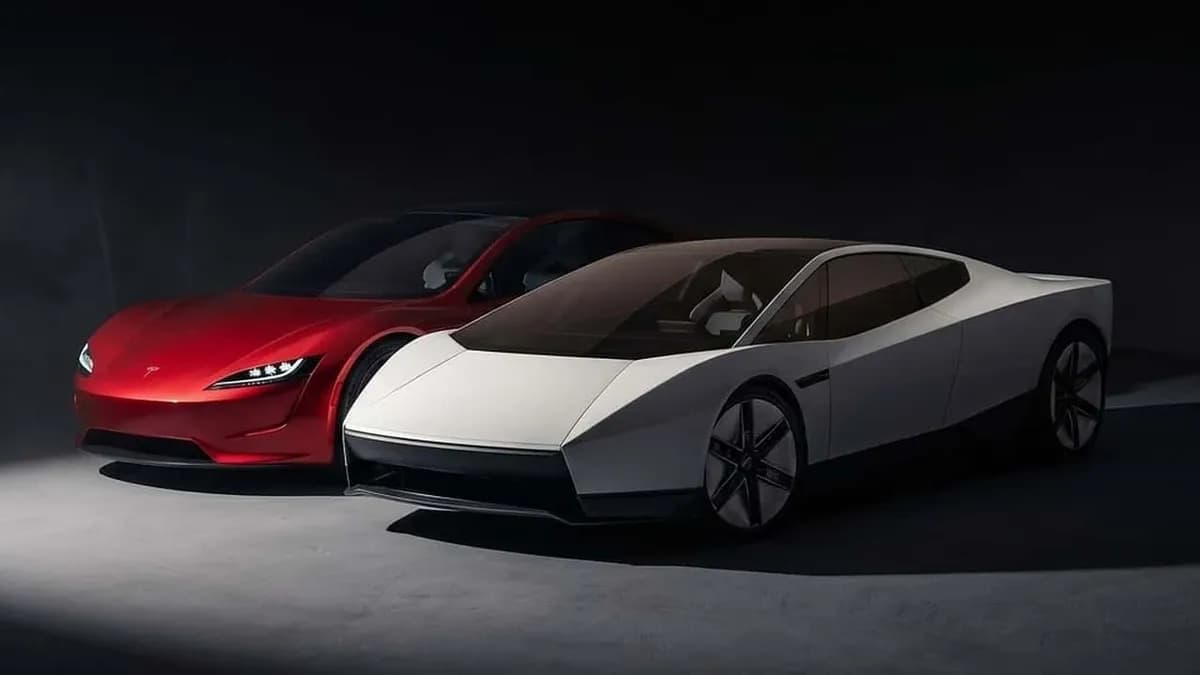
The second-generation Tesla Roadster has undergone significant design changes since its 2017 concept, now featuring a more angular style inspired by the Cybertruck. Set to launch in 2028, this new design marks a departure from the original's sleek lines and classic proportions.
Design Changes Over Time
Since its initial reveal in 2017, the Tesla Roadster has experienced a drastic redesign, moving away from its smoother, more classic sports car appearance to a sharper, angular aesthetic. The new design reflects trends in the automotive industry and aligns with Tesla's evolving design language, particularly influenced by the Cybertruck.
New Features and Inspirations
Tesla's redesign incorporates inspirations from aerospace, specifically the SR-71 Blackbird and F-35 fighter jet, contributing to the Roadster's aggressive wedge shape and technical look. The shift also includes a change from a 2+2 layout to a more focused two-seater configuration, complemented by advanced features such as steer-by-wire steering and active aerodynamics.
Production Timeline and Customer Impact
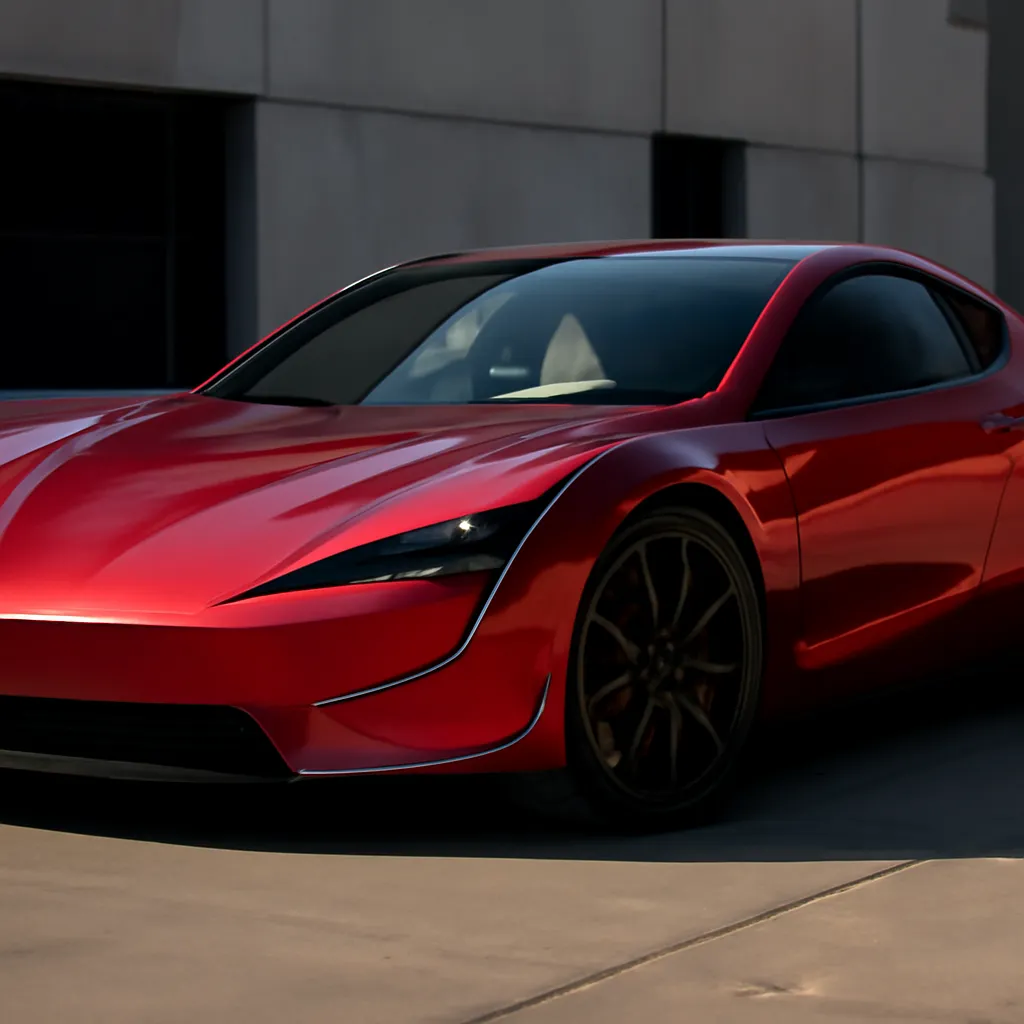
The production of the redesigned Roadster is currently scheduled for 2028, which means customers who placed deposits in 2017 will have been waiting for nearly a decade for a vehicle that is significantly different from the one they originally anticipated. While Tesla aims to deliver a radically different product, it remains to be seen how many of these design elements will make it to the final production model.
Final Thoughts
The new Roadster represents a complete departure from its initial concept, prioritizing a bold design that fits into Tesla's unconventional lineup. While some may prefer the original 2017 design for its classic look, the necessity for change after nine years is understandable, given the advancements in automotive design and technology.