
Stellantis to Produce Electrified Jeep and Peugeot Models in China Starting 2027
Written with artificial intelligence.
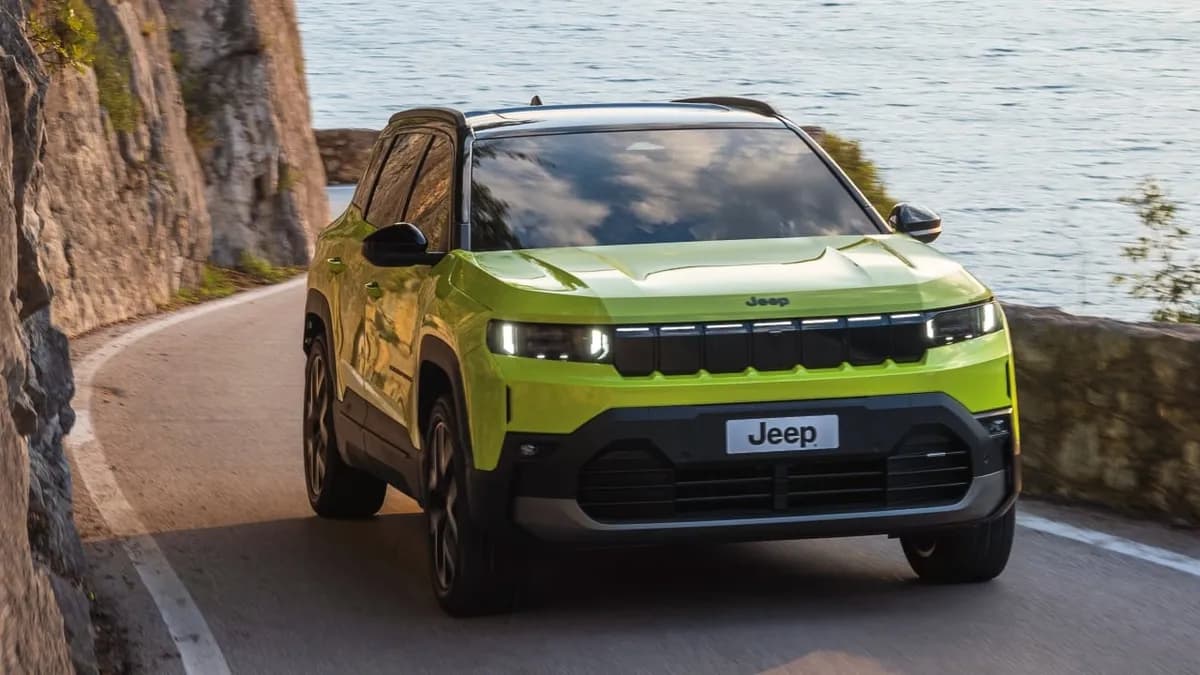
Stellantis has announced plans to produce two electrified models each from Jeep and Peugeot in collaboration with Dongfeng, beginning in 2027. This partnership aims to leverage advanced driving assistance technologies and capitalize on the growing electric vehicle market in China.
Collaboration with Dongfeng
Stellantis is strengthening its long-standing partnership with Dongfeng, which dates back to the early 1990s during the Peugeot/Citroën era. Starting in 2027, the collaboration will yield two electrified Jeep models and two Peugeot models, produced at Dongfeng's Wuhan facility. The initiative reflects a shift towards electric and plug-in hybrid vehicles following previous challenges in the Chinese market.
Historical Context of Jeep in China
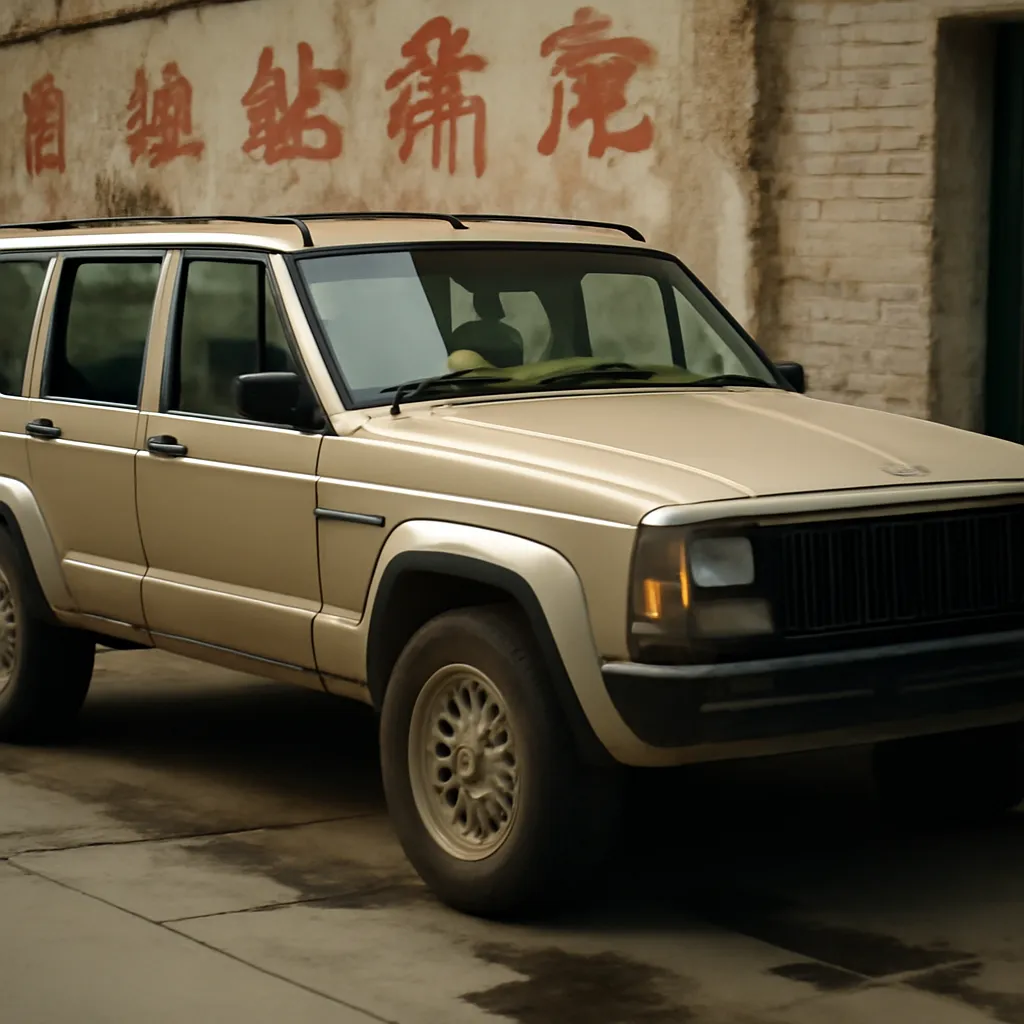
Jeep has a notable history in China, with its first manufacturing venture dating back to 1985 when the Cherokee was produced in collaboration with Beijing Automobile Works. This venture lasted until 2008, after which Jeep returned to the Chinese market in 2014 with several models through a joint venture with GAC and Fiat Chrysler. However, the rapid electrification in the market led to the dissolution of that partnership in 2022.
Advanced Technology Integration
The new models will feature advanced driving assistance systems developed in partnership with Momenta, enhancing user experience with capabilities such as urban assisted driving and autonomous parking. These smart technologies are expected to be rolled out in both the Chinese and European markets.
Future Plans and Market Restrictions
The first Jeep SUV developed under this initiative is slated for a 2028 release, designed to function as both a plug-in hybrid electric vehicle (PHEV) and an extended-range electric vehicle (E-REV). However, models produced in China will face export restrictions to the U.S. due to tariffs and software regulations linked to the Chinese government, effective from 2027 and 2030, respectively.