
Tesla Model 3 and Model Y Now Function as Home Backup Batteries
Written with artificial intelligence.
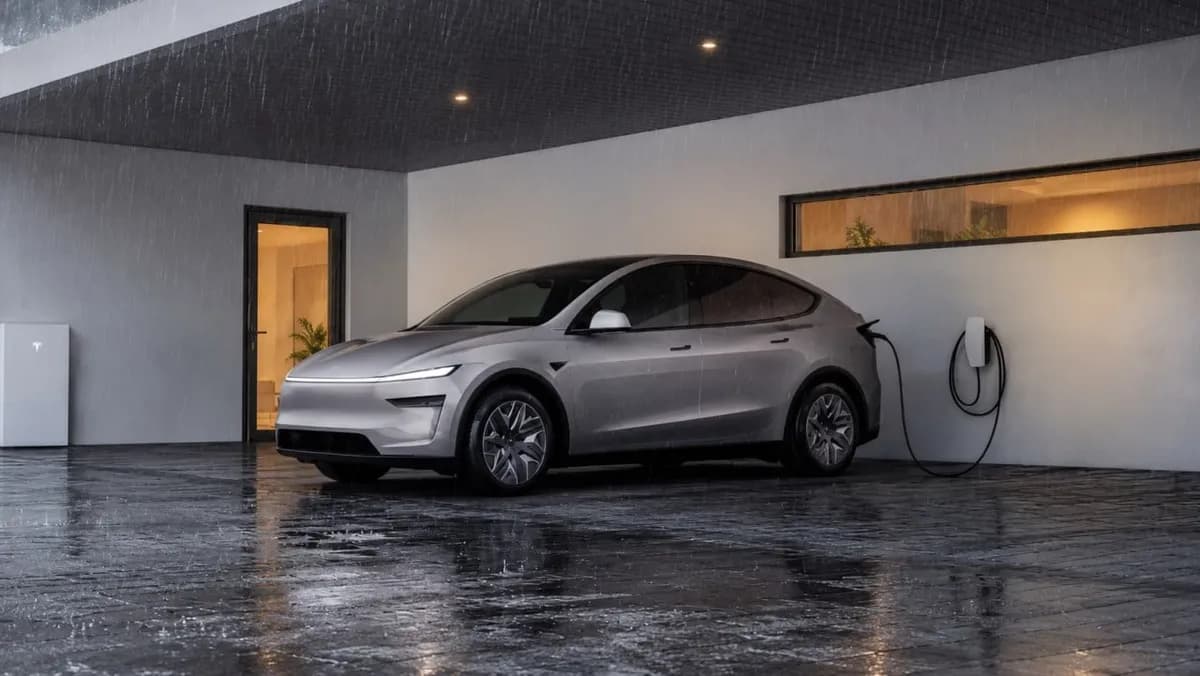
Tesla has introduced the Powershare Home Backup feature to its Model 3 and Model Y vehicles, allowing them to provide electricity to homes during blackouts. This system requires compatible equipment and is currently available only in the U.S.
New Home Backup Feature
Tesla has expanded its Powershare Home Backup feature to include the Model 3 and Model Y, enabling these electric vehicles to function as substantial home battery sources during power outages. This capability is contingent upon the vehicle being connected to a Powerwall and the appropriate home charging equipment.
How It Works
The Powershare Home Backup system allows energy stored in the car's battery to flow back into the home’s electrical system when a blackout occurs. Tesla estimates that a Model 3 Standard or Model Y Standard can provide power for up to two additional days, while Premium or Performance versions can extend beyond that. These estimates are based on a typical U.S. household consuming around 30 kWh daily, with the vehicle starting the outage at 90% charge.
Requirements for Use
To utilize this feature, owners must ensure:
- The vehicle is a Model 3 or Model Y compatible with Powershare.
- The vehicle is connected to a Powerwall 3 and a compatible Wall Connector Gen 3 or Universal Wall Connector.
- The charger and Powerwall are registered at the same location and linked to the same Wi-Fi network.
- The system must be properly configured for Powershare.
Older Powerwall models, such as Powerwall 2 and Powerwall+, do not support this function with Model 3 and Model Y at this time, but future compatibility is expected.
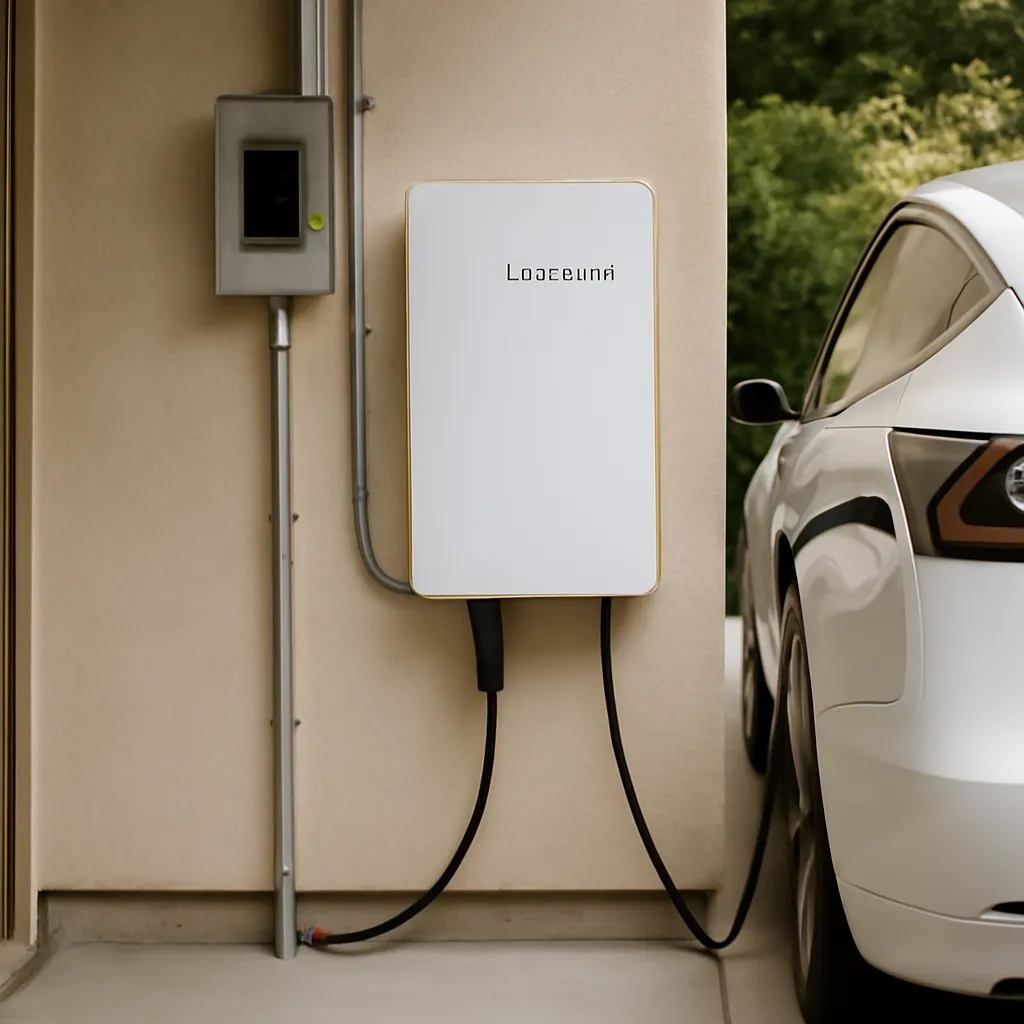
Availability and Compatibility
Not all existing Model 3 and Model Y vehicles can utilize Powershare. Vehicles ordered in the U.S. and Puerto Rico from October 1, 2026, will have this functionality included by default. Some earlier units may also contain the necessary hardware, but this is not guaranteed. Owners can check their vehicle's Powershare compatibility through the vehicle's information display.
This development is significant due to the volume of Model 3 and Model Y vehicles sold, potentially increasing the number of available batteries for home energy storage. With this feature, Tesla vehicles shift from being merely consumers of electricity to becoming vital energy resources during outages.