
Germany Supports Tesla's FSD Approval, Potentially Boosting EU Decision
Written with artificial intelligence.
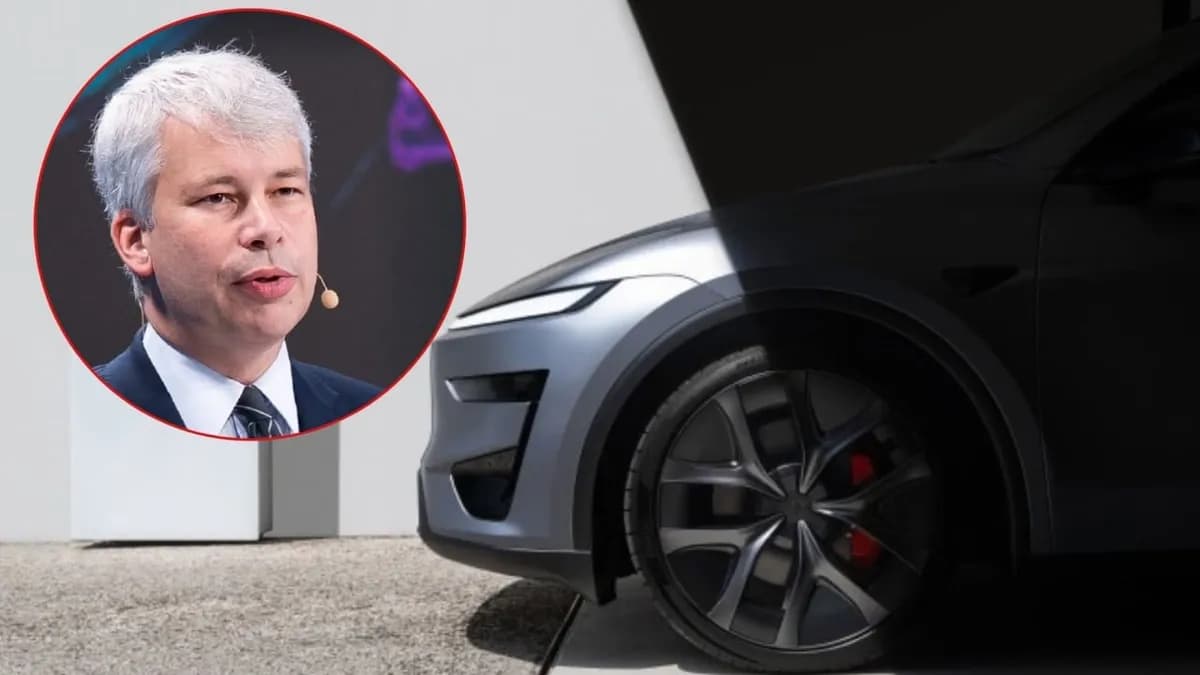
Germany is moving toward approving Tesla's Full Self-Driving (FSD) system, which could lead to a favorable decision from the European Union. With support from German Transport Minister Steffen Bilger, the FSD's approval may be confirmed by the end of the year.
Germany's Position on Tesla's FSD
Germany is showing a willingness to approve Tesla's Full Self-Driving (FSD) system, which may lead to increased chances for a favorable decision from the European Union. The support from Germany is significant, as the country constitutes a substantial part of the EU population. France is also expected to align with this support after a period of consideration.
Upcoming EU Vote and Requirements
The decision regarding the FSD approval, initially anticipated for October, may now be postponed until December 2026. This vote will require a qualified majority, meaning Tesla needs the approval of 15 out of 27 EU member states, representing at least 65% of the EU population. With Germany and France on board, they already comprise 33% of the population required for approval.
Other European Countries' Stance
Several European countries, including the Netherlands, Denmark, and Belgium, have already accepted Tesla's FSD, while others like France and Greece are currently evaluating it. Germany has even indicated the possibility of allowing the FSD to exceed speed limits by up to 10%, a concern that has stalled approval in places like Sweden.
Renaming for Clarity
In response to previous confusion regarding the FSD's capabilities, Tesla has proposed renaming it to 'Tesla Assisted Driving' (TAD), similar to what was done in China. This change aims to clarify that the system is classified as a Level 2++ SAE driving assistance system rather than fully autonomous driving.
Status in Spain
Despite Tesla accumulating around half a million kilometers of driving data in Spain, the country has yet to officially approve the FSD. Political conditions suggest that this may not be prioritized in the near future. In contrast, the Model 3 has recently become the best-selling electric vehicle in Spain, highlighting the growing interest in Tesla vehicles across Europe.