Toyota to Launch Hydrogen Hilux by 2028 with 400 km Range
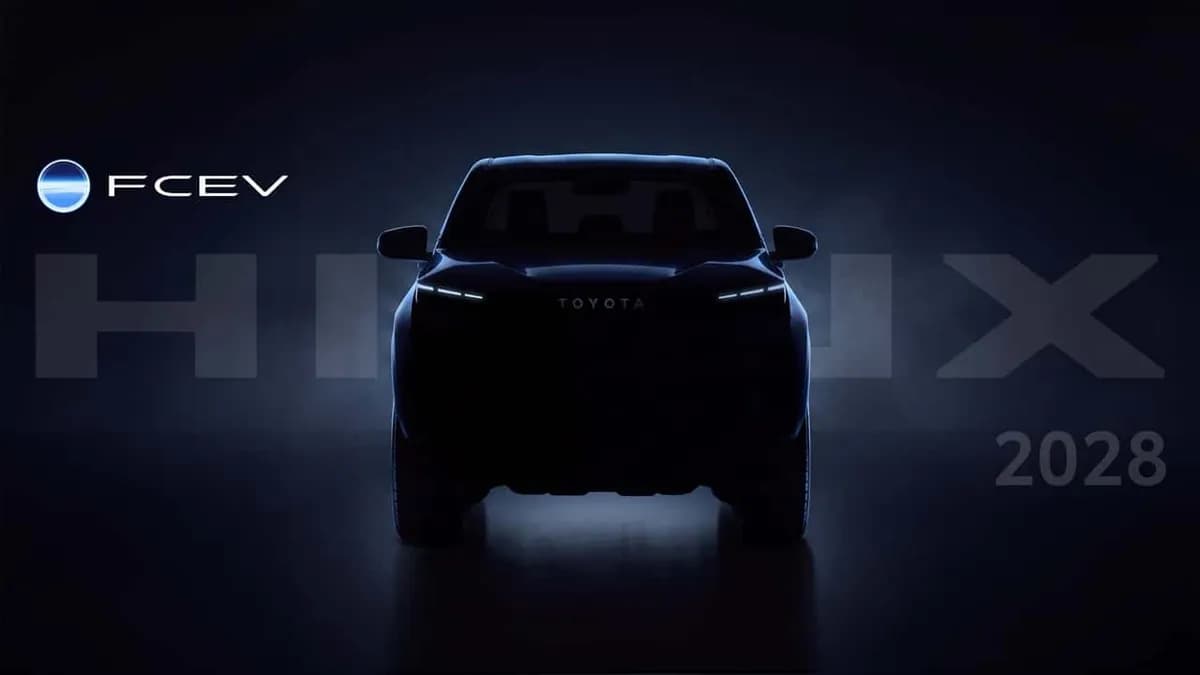
Toyota has announced plans to produce a hydrogen fuel cell variant of the Hilux, set to debut in 2028 for European fleets. This model will offer a range of 400 km and a towing capacity of 2,500 kg, with a refueling time of around five minutes.
Overview of the Toyota Hydrogen Hilux
Toyota has confirmed that its hydrogen fuel cell electric vehicle (FCEV), the Hilux, will begin production in 2028, targeting European professional fleets. The vehicle is designed to exceed the capabilities of the existing electric Hilux, boasting a range of 400 km (WLTP) and a towing capacity of 2,500 kg.
Key Features and Specifications
The hydrogen Hilux will utilize the ninth-generation platform currently used for diesel, gasoline, and electric versions of the Hilux. Its powertrain is similar to that of the Mirai, Toyota's existing hydrogen sedan, ensuring that it produces only water vapor as a byproduct. Key specifications include:
- Range: 400 km (WLTP)
- Towing Capacity: 2,500 kg
- Refueling Time: Approximately five minutes under normal station conditions
This vehicle aims to appeal primarily to fleet operators, rather than individual consumers, although pricing details have yet to be disclosed. No information about a potential U.S. launch has been provided at this time.
Comparison with Electric Hilux
In contrast, the electric Hilux is expected to achieve a range of about 240 to 245 km and has a towing capacity of up to 2,000 kg, depending on market specifications. The hydrogen model's advantages in both range and towing capacity could be significant for businesses that require higher performance from their vehicles.
Infrastructure Challenges
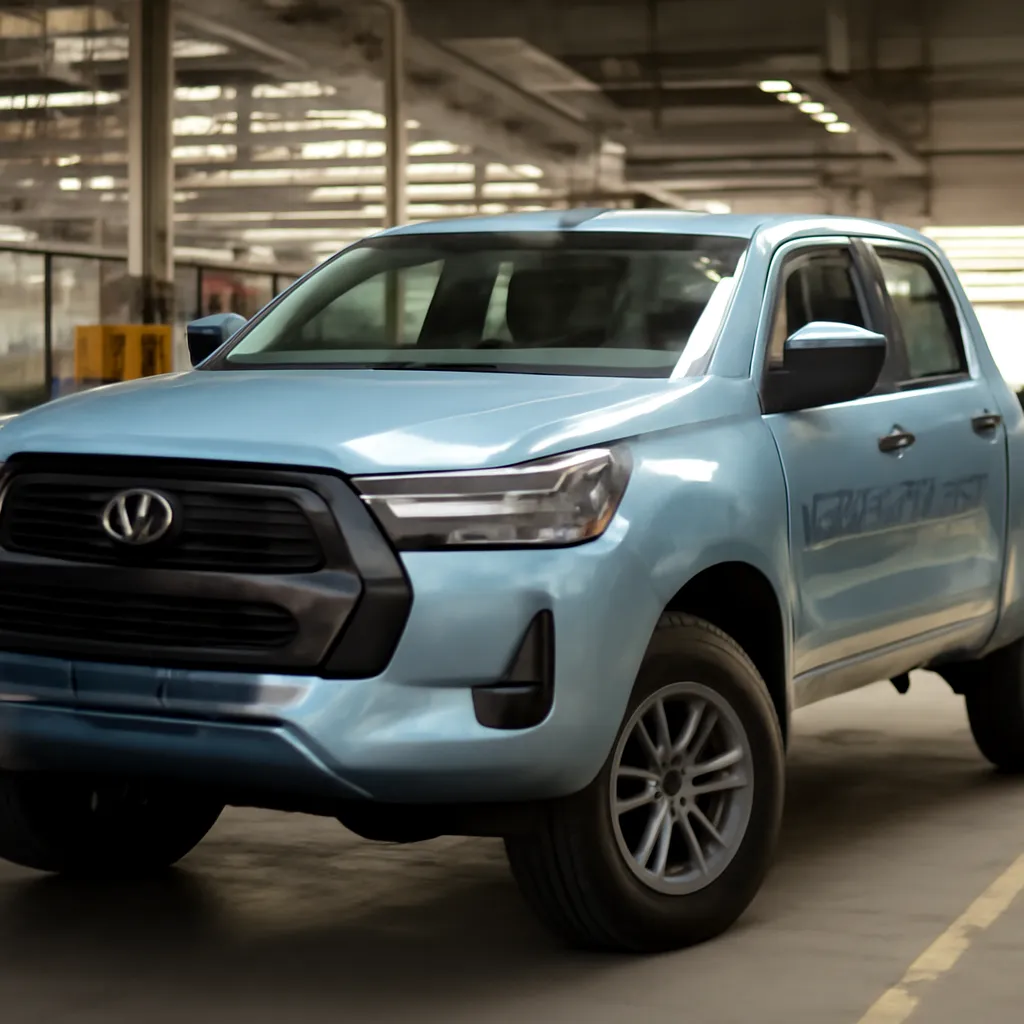
However, the success of the Hilux FCEV will largely depend on the availability of refueling infrastructure. Currently, Europe has fewer than 200 publicly accessible hydrogen refueling stations, compared to over 1.3 million electric vehicle charging points. For the hydrogen Hilux to reach its full potential, a more robust network of refueling stations will be necessary.
Conclusion
While the hydrogen Hilux presents clear advantages for fleet operators, its adoption will depend on the establishment of a reliable hydrogen refueling infrastructure and support services. Observing how Toyota engages with fleet partners and develops necessary infrastructure will be crucial for the model's success.